
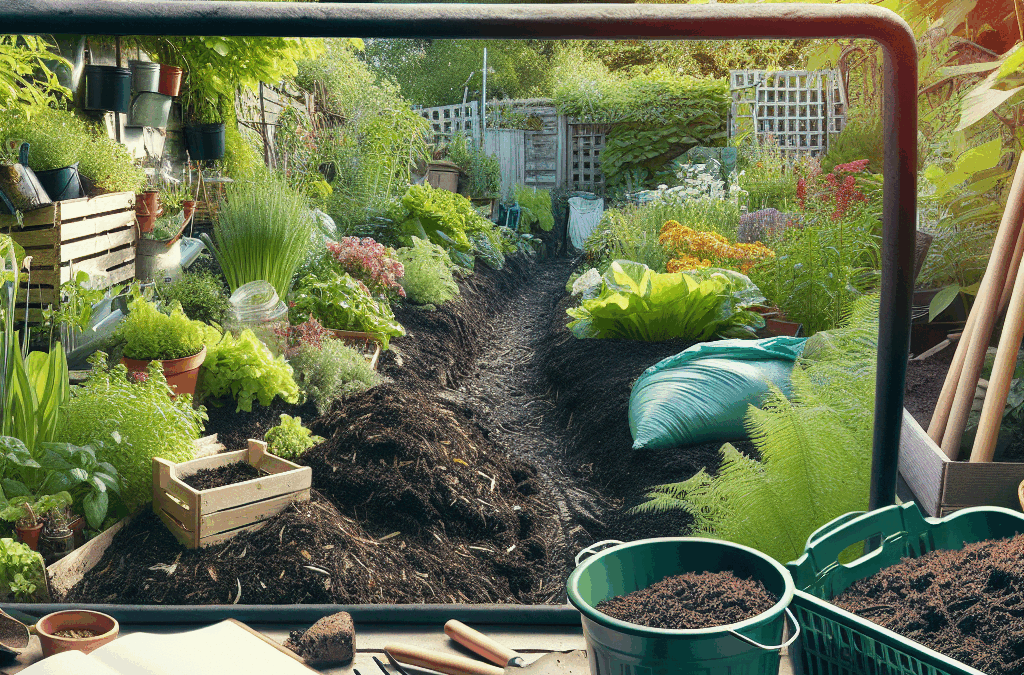
The hidden costs of organic gardening supplies often stem from factors such as higher initial prices, potential need for additional products, and the long-term investment in quality. Organic supplies can be more expensive due to sustainable sourcing and production methods. Additionally, gardeners may overlook expenses like soil amendments and pest management products necessary for maintaining healthy plants. Understanding these costs can help gardeners make informed decisions that balance quality with budget constraints.
The True Cost of Organic Seeds and Plants
When starting an organic garden, many gardeners are surprised by the price of organic seeds and plants compared to their conventional counterparts. This higher cost can be attributed to several factors, including the methods used in growing organic seedlings and the certification processes that ensure these plants meet organic standards. Organic seeds are often produced in smaller quantities, leading to increased production costs.
Moreover, organic seeds tend to be more resilient and adapted to local conditions, which can result in better yields in the long run. However, gardeners should also be aware that the initial investment might be higher than expected, especially if they are purchasing from specialty suppliers. It’s essential to research different suppliers and consider local nurseries that may offer competitive pricing without compromising on quality.
One common mistake is assuming that all organic seeds will perform equally well. Some varieties may be better suited to specific climates or soil types. Therefore, conducting thorough research and possibly starting with a small batch of seeds can help mitigate risks and ensure that the investment is worthwhile.
Soil and Nutrients: More Than Just Fertilizers
Soil health is crucial for any garden, and organic gardening often requires specific amendments to enhance soil quality. While conventional gardeners might rely on chemical fertilizers, organic gardeners must invest in high-quality compost, mulch, and natural fertilizers, which can significantly increase upfront costs. For instance, organic compost may be more expensive than synthetic alternatives, but it adds vital nutrients and improves soil structure over time.
Furthermore, organic gardening emphasizes the importance of maintaining soil biodiversity, which can lead to additional costs for amendments like mycorrhizal fungi or beneficial bacteria. These products support plant health but can create an unexpected financial burden for new organic gardeners. Understanding the long-term benefits of investing in quality soil amendments is key to realizing the full potential of an organic garden.
One strategy to offset these costs is to create a composting system at home. This practice not only reduces waste but also provides a continuous supply of nutrient-rich soil amendments, ultimately saving money in the long run.
Pest Management: The Overlooked Expense
While organic gardening aims to avoid synthetic pesticides, managing pests can lead to hidden costs that many gardeners do not anticipate. Organic pest control methods often require regular monitoring and the purchase of various organic pesticides, traps, or beneficial insects. For example, introducing ladybugs or lacewings can effectively control aphid populations but may require a significant initial investment.
Additionally, organic pest management often involves preventive measures, such as crop rotation, companion planting, and maintaining plant diversity, which can incur further costs in terms of time and resources. Many gardeners overlook these ongoing expenses, leading to budget overruns as the season progresses.
A practical approach is to develop an integrated pest management (IPM) strategy that combines multiple methods. This strategy can reduce costs by minimizing reliance on expensive organic pesticides while still protecting plant health.
Tools and Equipment: Initial Investment vs. Long-Term Gains
Investing in quality tools and equipment is essential for any gardener, but organic gardening often requires specific tools designed for sustainable practices. For example, hand tools made from durable materials may have a higher upfront cost but can last longer and perform better than cheaper alternatives. Additionally, tools designed for organic gardening often focus on efficient soil management and pest control, which can lead to better results.
However, new organic gardeners might be tempted to skimp on tools to save money, leading to poor gardening outcomes and increased labor. It’s crucial to assess which tools are necessary for your specific gardening practices and invest in those that will provide the most value over time.
One common mistake is purchasing tools without considering their longevity and suitability for organic practices. Investing in a few high-quality tools can save money and frustration in the long run, as they tend to perform better and require less maintenance.
Frequently Asked Questions
What are the main hidden costs of organic gardening supplies?
The main hidden costs include higher initial prices for organic seeds, soil amendments, pest management products, and specialized tools, which can add up significantly.
Are organic gardening supplies worth the investment?
Yes, while the initial costs may be higher, organic supplies can lead to healthier plants and better long-term soil health, making them a worthwhile investment.
How can I reduce costs in organic gardening?
Consider starting a composting system, buying seeds in bulk, and using companion planting to manage pests naturally, which can help reduce expenses.
What tools are essential for organic gardening?
Essential tools include hand tools like trowels, pruners, and soil forks, as well as quality gloves and watering equipment designed for efficient use.
How can I choose the right organic seeds?
Research local varieties that thrive in your climate and consider purchasing from reputable suppliers who offer organic certification for their seeds.
Conclusion
Understanding the hidden costs of organic gardening supplies is crucial for any gardener looking to make informed decisions. While the initial investment may be higher, prioritizing quality seeds, soil, and tools can lead to healthier plants and more sustainable practices. By planning ahead and considering long-term benefits, gardeners can effectively manage their budgets while enjoying the advantages of organic gardening.


