
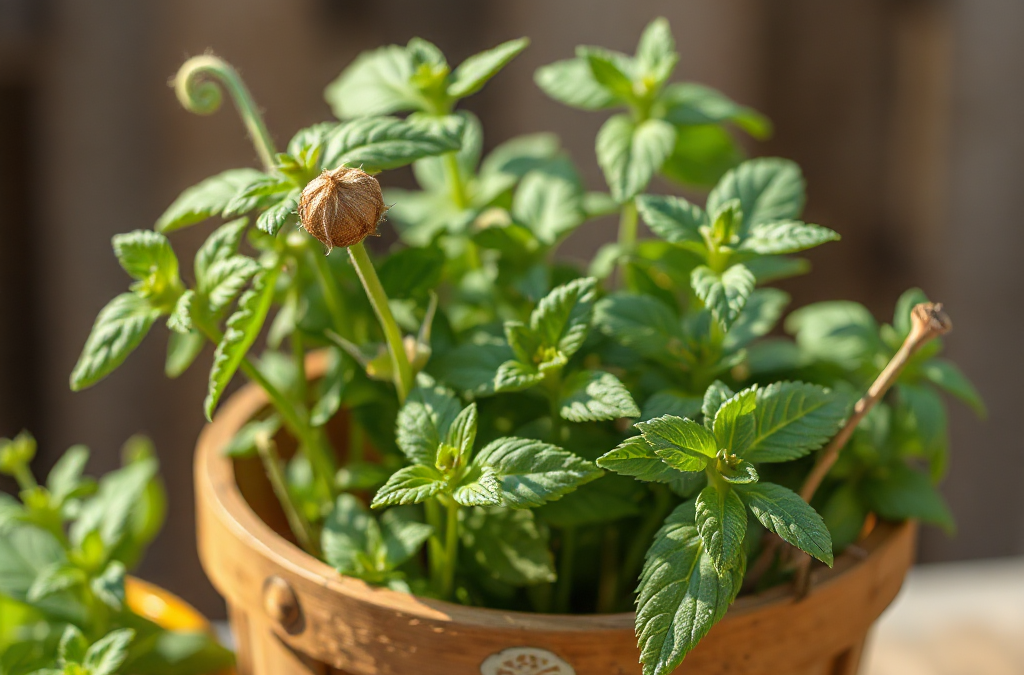
When herbs bolt too early, cut off flower stalks, harvest usable leaves, check heat and moisture stress, and reseed varieties suited to the season. Bolting is a shift from leaf production to flowering and seed formation, often triggered by mature plant age, hot weather, long days, crowded roots, or inconsistent watering. Removing buds may briefly extend harvest for basil, cilantro, and parsley, but it will not permanently reverse bolting once flowering is advanced. Keep partially productive plants for pollinators or seed, then replace them with young starts in a cooler location, provide steadier moisture, and sow successive crops so one heat-stressed planting does not end the entire harvest.
Why Herbs Bolt Before You Expect
Bolting is the production of a flower stalk followed by flowers and seeds. The plant is redirecting energy away from tender leaves, so the flavor, texture, and harvest value can change quickly. Cilantro may become sharp and sparse, basil may produce smaller leaves, and parsley may develop a tall central stem while older foliage becomes tougher. Bolting is a reproductive phase, not automatically a sign of disease or poor soil.
Temperature is often the immediate trigger, but plant age and day length also matter. A cool-season herb such as cilantro, dill, or parsley can bolt after a sudden warm spell even when it has been growing well. A plant in a shallow container may experience hotter roots and faster drying than the same variety planted in open ground. Crowded roots, transplant shock, and repeated wilting followed by heavy watering add stress that can push a mature plant toward flowering.
Check the pattern before choosing a remedy. If several plants bolt within a few days of a heat wave, temperature and day length are stronger suspects than fertilizer. If only one crowded container bolts, restricted roots or uneven moisture may be contributing. Excess nitrogen is not a reliable way to prevent bolting; it can produce soft, lush growth without changing the plant’s biological response to heat or maturity.
A useful comparison is between basil and cilantro. Basil is a warm-season herb and often continues producing leaves after flower buds are pinched, especially when it receives regular harvesting. Cilantro is much less tolerant of hot weather, so removing flower stems may buy only a short period. Treating both plants with the same expectation leads to wasted effort. The first priority is identifying whether the plant can still provide worthwhile leaves.
For a broader look at what to do when herbs bolt too early, record the herb, sowing date, first hot-weather period, watering pattern, and date of first flowering. That simple record makes next season’s timing more precise.
Immediate Steps To Save A Usable Harvest
Harvest healthy leaves before removing the plant. Pick in the cool part of the day, discard yellow or damaged foliage, and use the leaves promptly because stressed herbs may lose quality faster than actively growing plants. For basil, pinch or cut just above a pair of leaves below the flower cluster. This encourages side shoots if the plant still has vigorous green growth. For parsley, cut outer stems close to the base rather than stripping every leaf from the center.
Inspect the growing point after cutting. A plant with several green side shoots and flexible stems may continue producing for a while. A plant dominated by tall flower stalks, coarse leaves, or seed heads is unlikely to return to its former harvest quality. Removing every flower from a nearly finished cilantro plant can delay seed production without creating a useful new flush of leaves. In that situation, harvest what remains and plan a replacement crop instead.
Correct stress conditions immediately, but do not try to force recovery with a large dose of fertilizer. Water deeply enough to wet the root zone, then monitor the container or bed so it does not swing from dry to saturated. Add a light organic mulch around, not against, the stems to reduce evaporation and moderate soil temperature. If the herb is in a dark pot exposed to afternoon sun, moving it to bright morning light with afternoon protection may reduce heat stress.
Pruning has limits. Cutting flower stems can preserve basil’s leaf production, but it cannot reset the plant’s age or erase a strong seasonal flowering response. Hard pruning during a heat wave can create additional stress if too much foliage is removed at once. Take no more than a manageable portion of the plant, wait for new growth, and then harvest again. Weak, collapsing plants are better replaced than repeatedly cut.
A practical rescue sequence is:
- Harvest sound leaves and remove flowers that are just forming.
- Check soil moisture several inches below the surface rather than watering by calendar alone.
- Provide temporary afternoon shade during extreme heat.
- Look for pests, root crowding, or poor drainage that may be adding stress.
- Decide within a week whether new leafy shoots are appearing.
If new leaves remain small and flower stems keep emerging, stop investing in rescue pruning. The better use of space may be a young succession planting, while the older herb is allowed to flower for beneficial insects or produce seed.
When To Remove Bolted Herbs And Replant
Replace an herb when flowering has become the dominant growth pattern and the leaves no longer meet your cooking needs. This is especially sensible for cilantro, arugula-like herb crops, and other cool-season plants that become woody or strongly flavored after bolting. Basil deserves a closer inspection because a flowering plant can still provide good leaves if it has healthy side branches and the flower tips are removed regularly.
Do not judge only by height. A tall plant may still be productive, while a short, heat-stressed plant may already have coarse foliage and a mature flower center. Taste a small leaf, examine the newest growth, and check whether the plant is making leaves faster than it is making flower stalks. Those observations are more useful than a fixed rule such as removing every herb at the first sign of a bud.
Leaving one bolted plant can be worthwhile. Flowers attract insects, and mature seed can provide planting material for the next crop, although saved seed may not always produce plants identical to the parent if the herb cross-pollinates. Label the plant and allow seed heads to dry before collecting them. Remove diseased or severely pest-damaged plants rather than leaving them as habitat.
Replanting immediately can create a second failure if the same hot, dry conditions remain. Choose a cooler site, use a container that does not heat rapidly, or wait for a more suitable sowing window. For cilantro, several small sowings spaced through the favorable season usually outperform one large planting. For basil, a replacement start can go into warm soil, but it still needs steady moisture while establishing.
Consider the tradeoff between mature plants and young replacements. Mature herbs already have established roots and can supply a limited harvest, whereas young plants need time but may deliver better leaf quality. Keep the older plant for flowers or seed only when it is not occupying space needed by the replacement. This approach connects with what to do when herbs bolt too early by treating bolting as a crop-timing problem, not merely a pruning problem.
Timing And Growing Practices That Delay Bolting
The most dependable prevention is to match the herb’s sowing date and location to its temperature preference. Sow cilantro, dill, and parsley while conditions are cool enough for steady leaf growth, and use shade during the hottest part of the day as temperatures rise. Plant basil after cold conditions have passed, then harvest frequently once it is established. A packet’s days-to-maturity estimate is not a guarantee because heat, container size, and light exposure change the schedule.
Successive sowing spreads risk. Instead of planting all the cilantro at once, sow a small amount, wait roughly a week or two depending on local conditions, and repeat while the weather remains suitable. If the first planting bolts, a younger batch may still be productive. The same principle works for dill and other short-lived herbs. Succession planting requires more frequent attention, but it is usually more reliable than trying to keep one planting productive indefinitely.
Moisture management should aim for consistency rather than constant wetness. Containers may need checking more often because their limited root volume dries quickly, while heavy garden soil may stay wet after irrigation. Mulch can slow evaporation, but it cannot compensate for a pot with blocked drainage or roots packed tightly against the container wall. Water at the soil surface when possible, and inspect leaves and stems for signs of pests that may increase stress.
Harvesting also influences the usable life of some herbs. Pinching basil above leaf pairs encourages branching and removes developing flower tips before they dominate. Cutting cilantro repeatedly does not reliably prevent its seasonal response, so timing and repeated sowing matter more. Avoid severe pruning of a drought-stressed plant; restore moisture gradually and remove only damaged or flowering portions that are no longer useful.
Use this priority order when planning the next crop: select a season-appropriate variety, sow at intervals, protect cool-season herbs from afternoon heat, maintain even moisture, and harvest early and often. A shade cloth may help during a short heat event, but it is not a substitute for planting at the right time. Likewise, fertilizer can correct genuine nutrient deficiency, yet it should not be used as a general anti-bolting treatment. For additional seasonal planning, review what to do when herbs bolt too early alongside local planting calendars and seed-packet guidance.
For region-specific sowing dates and herb variety guidance, consult your state university extension service, local cooperative extension office, or a reputable seed supplier’s growing notes. These sources can account for local heat patterns and provide better timing advice than a single universal calendar.
Frequently Asked Questions
Can bolted herbs grow leaves again?
Some basil and parsley plants can produce useful side growth after flower stems are cut. Cilantro and other cool-season herbs often remain poor quality once flowering is advanced, so replacement is usually more productive.
Should flower buds be removed from basil?
Yes, if the goal is continued leaf harvest. Pinch the flower tip just above a pair of leaves, but avoid heavy pruning when the plant is already wilted or severely stressed.
Does more fertilizer stop herbs from bolting?
No. Fertilizer may correct a true nutrient shortage, but bolting is mainly linked to maturity, temperature, day length, and stress. Excess feeding can create weak, overly lush growth.
Is a bolted herb safe to eat?
Bolting itself does not make a culinary herb automatically unsafe, but leaves may become bitter, tough, or less pleasant. Avoid foliage contaminated by chemicals, disease, or heavy pest damage.
How can cilantro be kept from bolting?
Sow it during cool weather, provide afternoon shade as temperatures rise, maintain steady moisture, and make repeated small plantings. No method can keep cilantro leafy indefinitely once hot conditions and maturity align.
Conclusion
Early bolting calls for a quick quality check rather than automatic removal. Harvest usable leaves, pinch fresh flower tips when the herb still has vigorous leafy shoots, and correct heat or moisture stress without overfeeding. If flowering has overtaken leaf production, especially in cilantro, replace the plant and use the old one for flowers or seed only when that fits your space. The strongest long-term fix is better timing: choose a suitable season, protect cool-season herbs from afternoon heat, keep moisture steady, and sow small batches at intervals. Those practices reduce the risk that one hot week will end the entire herb harvest.


