
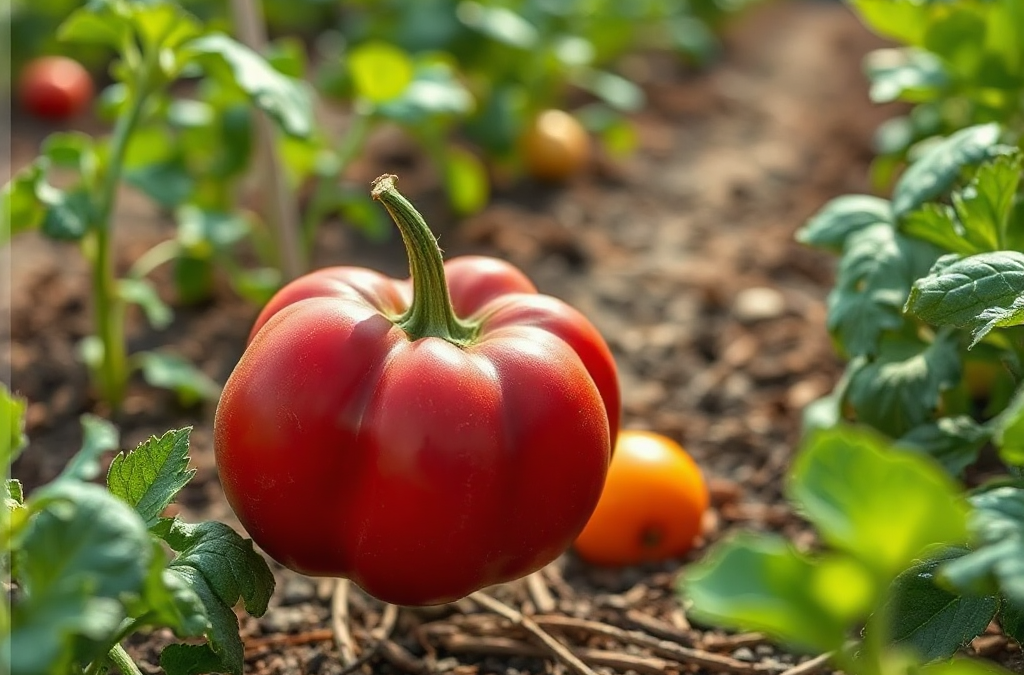
Manage vegetable crops for continuous harvests by combining succession planting, staggered crop dates, regular harvesting, and replacements timed to each crop’s productive window. Sow small batches of fast crops such as lettuce, radishes, beans, and carrots at intervals rather than planting the whole supply at once. Remove declining plants promptly, monitor moisture and pests, and keep seedlings ready before mature crops finish. Harvesting beans, cucumbers, zucchini, and leafy greens frequently encourages continued production, while heat, frost, disease, and crop maturity determine when a bed should be replanted. A simple planting record prevents gaps and shows which intervals suit your climate.
Build a Harvest Calendar Around Crop Timing
Continuous harvests come from matching planting dates to each crop’s useful production period, not from expecting one sowing to produce indefinitely. Leaf lettuce may become bitter or bolt as temperatures rise, bush beans often produce heavily for a limited period, and carrots can remain in the ground longer once mature. A calendar makes those differences visible before the first bed is planted.
Begin by listing the vegetables your household actually uses, then record their approximate days to maturity, preferred temperature range, and likely harvest duration. Add local frost dates and any seasonal heat that regularly interrupts production. For example, a cool-season lettuce planting may provide leaves in spring, while a later sowing may struggle in midsummer. A fall batch can restore production when temperatures moderate.
The useful date is not always the first harvest date. A crop may mature gradually, or it may produce for weeks if picked often. Separate vegetables into three groups: quick crops, repeat-producing crops, and crops harvested once. Radishes and baby greens suit short intervals; beans and cucumbers need repeated picking; cabbage and head lettuce need replacement plants because each head is harvested once.
A common mistake is filling the calendar with optimistic dates while ignoring space, water, and labor. A small garden may produce more usable food from three modest lettuce sowings than from one crowded planting. Link this timing work with how to manage vegetable crops for continuous harvests by planning the next crop before the current crop reaches its final harvest.
Use Succession Planting Without Overcrowding Beds
Succession planting means making repeated sowings or replacing one crop with another so harvests overlap rather than arrive in a single surplus. The interval depends on crop speed, season, and how much you consume. A practical starting point is to sow a small amount of fast-growing vegetables every two to three weeks, then lengthen or shorten that interval after observing actual harvests.
Planting more seeds in the same row is not the same as creating a reliable succession. If every batch is placed in one crowded bed, seedlings compete for light, airflow, and moisture. Use separate sections of a bed, containers, or cleared spaces between established plants. A row of spring radishes can be followed by summer beans only after the radishes are removed and the soil is refreshed.
Choose crops that fit the season rather than forcing one vegetable through unsuitable weather. After peas finish in cool weather, a warm-season crop may occupy the space. When summer heat makes lettuce unreliable, consider heat-tolerant greens or wait for a late-season sowing. The tradeoff is that replacement crops may require new compost, supports, or pest protection, but this is often more productive than nursing a declining plant through conditions it cannot tolerate.
Keep a small nursery area for transplants when direct sowing would leave a gap. Young kale, lettuce, or chard plants can be started in trays while an earlier planting is still producing. Transplants cost space and attention, whereas direct sowing is simpler and often better for carrots and beans. Select the method according to the crop’s transplant tolerance and the length of the expected gap.
- Sow quick crops in small, repeatable batches.
- Reserve space for replacement seedlings before the current crop declines.
- Rotate plant families when practical instead of repeating the same crop immediately.
- Reduce sowing size when harvests accumulate faster than your household can use them.
For more planning detail, connect succession planting with how to manage vegetable crops for continuous harvests rather than treating each planting as an isolated task.
Harvest in Ways That Keep Plants Producing
Harvest technique affects how long repeat-producing vegetables remain productive. Beans, cucumbers, peas, zucchini, and many leafy greens respond poorly to being left unattended once mature. Overgrown pods become fibrous, large cucumbers reduce plant quality, and mature seed development can signal the plant to slow new flower production. Frequent picking redirects the plant’s resources toward additional flowers and young fruit, although it cannot overcome severe heat, drought, disease, or the crop’s natural life cycle.
Inspect productive crops every day or two during peak periods. Pick beans while pods are firm and before seeds swell substantially. Remove zucchini while it is still a manageable size, and harvest outer leaves from chard or loose-leaf greens instead of stripping the entire plant. Use clean, sharp tools for crops with tough stems, and avoid tearing branches that carry new flowers.
Not every vegetable should be harvested repeatedly. Head cabbage, bulb onions, and mature carrots follow a different pattern: the goal is to schedule several plantings or varieties with different maturity windows. Trying to extend a single head crop through repeated cutting may reduce quality. The correct comparison is between repeated harvest from a living plant and replacement harvest from a planned series of plants.
Harvest records also reveal hidden problems. If beans flower but set few pods, heat, moisture stress, or pollination conditions may be involved. If leaves become small after repeated picking, the plant may need water, nutrients, or recovery time. Do not respond automatically with fertilizer; first inspect soil moisture, pest damage, sunlight, and root competition. Excess nitrogen can produce lush foliage without solving poor fruit set.
Store or cool harvested produce promptly when possible, because a continuous supply is useful only if food remains usable. A household that cannot process a large cucumber flush may need fewer plants and more staggered sowings. Crop quantity, harvest frequency, and kitchen capacity must be planned together.
Replace Finished Crops and Adjust for Weather
A productive bed changes as temperature, daylight, and rainfall change. When a crop stops producing, remove it if it is diseased or exhausted, clear fallen debris, and inspect the soil before replanting. Healthy residue can sometimes be composted, but plants showing serious disease should be handled according to local extension guidance rather than casually added to a home compost pile.
Weather determines whether a replacement should be planted immediately. A lettuce bed cleared during a heat wave may be better used for shade-tolerant greens, a cover crop, or a later sowing. Conversely, a mild autumn can support another round of greens after summer beans are removed. Row cover, shade cloth, mulch, and containers can widen the useful season, but they do not eliminate the effects of frost or extreme heat.
Water is a frequent cause of harvest interruptions. Newly planted replacements have shallow roots and can fail even when mature plants nearby appear healthy. Irrigate the new crop consistently while it establishes, and use mulch to moderate evaporation without burying stems. Drip irrigation may reduce wet foliage and simplify regular watering, but it still requires checking emitters and soil moisture rather than relying on a timer alone.
Crop rotation is another replacement decision. Planting tomatoes immediately after another tomato-family crop may increase the chance of recurring soil-related problems, while moving unrelated crops through the space can distribute demand and reduce repeated exposure. Rotation is harder in a small plot, so prioritize moving crops that commonly suffer from persistent disease or pest pressure.
When replacing a crop, check four conditions:
- Is the next vegetable suited to the current temperature and daylight?
- Has the bed been cleared of diseased material and large roots?
- Can the new planting receive dependable moisture during establishment?
- Will its harvest window overlap usefully with, rather than compete with, existing crops?
Track Results and Fix Harvest Gaps
A simple record is more reliable than memory when managing repeated plantings. Note the sowing date, variety, first harvest, peak production, final harvest, weather conditions, and problems observed. After one season, the record can show whether a two-week lettuce interval created a steady supply or an unwanted glut. It can also identify varieties that tolerate your local conditions better than their catalog descriptions suggest.
Diagnose gaps by locating the point of failure. If seedlings never emerge, check seed age, sowing depth, soil crusting, moisture, and pests. If plants grow but mature late, inspect light, temperature, competition, and fertility. If mature crops finish all at once, reduce the next sowing size and separate dates or varieties. If replacement plants fail, compare their watering and transplant handling with the established crop.
Prioritize the vegetables that deliver dependable harvests in your actual garden. A beginner may gain more from repeating beans, lettuce, herbs, or radishes than from forcing a difficult crop with a narrow season. An experienced grower may use multiple varieties, protected starts, and detailed temperature records to extend the same crop. Neither approach is automatically better; the suitable system is the one that fits available space, time, climate, and eating habits.
Review the calendar every few weeks instead of treating it as fixed. Move sowings when weather changes, cancel batches when supplies are already abundant, and reserve space for crops that can fill an unexpected opening. This flexible approach is more dependable than rigid dates because vegetable production responds to conditions, not the calendar alone. Keep the next adjustment connected to how to manage vegetable crops for continuous harvests by recording both the action and the result.
For crop-specific planting windows, succession schedules, pest identification, and seasonal growing advice, consult publications from your state university extension service, local cooperative extension office, or national agricultural authority. These sources can account for regional frost dates and climate differences that general gardening calendars may miss.
Frequently Asked Questions
How often should vegetables be planted for a continuous supply?
Start with two- to three-week intervals for quick crops, then adjust according to maturity speed, weather, and how much your household uses.
Which vegetables are easiest to succession plant?
Lettuce, radishes, baby greens, carrots, beans, and beets are practical choices because they can be sown in modest batches and have relatively clear harvest windows.
Does frequent harvesting make every vegetable produce longer?
No. Regular picking can encourage crops such as beans and cucumbers to keep flowering, but head crops and root vegetables usually require staggered plantings instead.
What should replace a crop that has finished?
Choose a vegetable suited to the current season and available space, while considering crop rotation, soil moisture, sunlight, and the time needed before harvest.
Why do planned harvests still develop gaps?
Gaps commonly result from delayed germination, heat, frost, drought, pests, disease, or planting intervals based on expected rather than observed maturity.
Conclusion
Continuous vegetable harvests depend on a series of manageable decisions: plant small batches, match each crop to its season, harvest repeat producers frequently, and prepare replacements before a bed becomes empty. Keep enough space and water available for young plants, and do not force a declining crop through heat, disease, or the end of its productive cycle. A planting record will show which intervals create a steady supply and which produce waste. Begin with two or three dependable vegetables, schedule staggered sowings, and review the results throughout the season. As your records improve, add varieties or protected plantings only when they solve a specific gap rather than adding complexity without a clear harvest benefit.


