
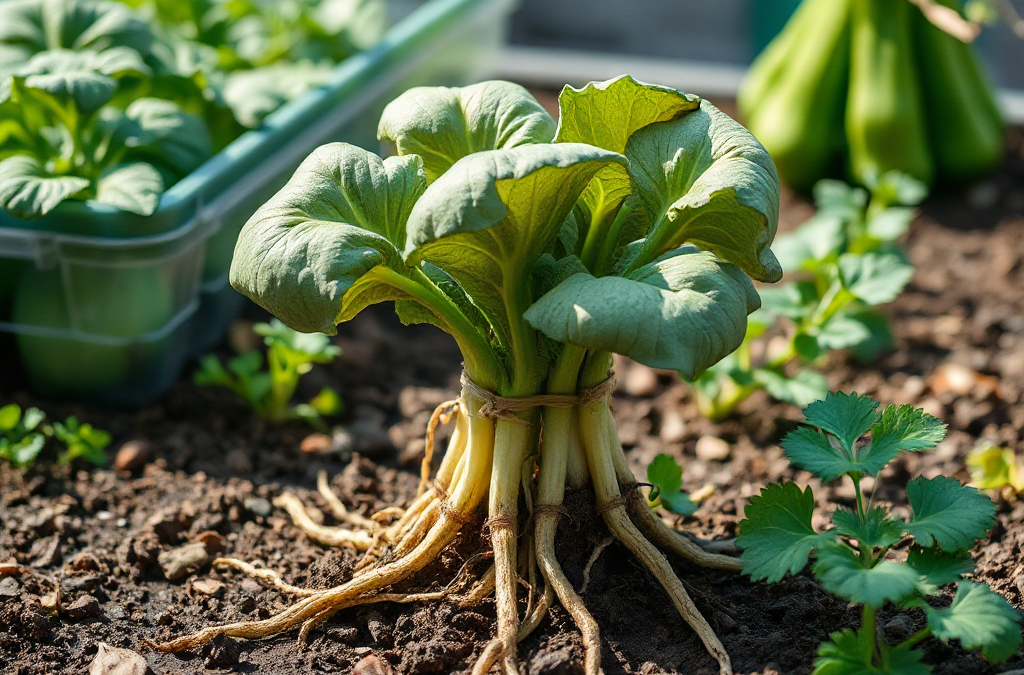
Smaller-than-expected vegetables usually result from limited root space, inconsistent moisture, insufficient light, nutrient imbalance, overcrowding, or weather that interrupts flowering and bulking. Check the root zone first: compacted soil, shallow containers, and crowded plants restrict access to water and nutrients even when leaves look healthy. Then compare watering consistency, daily sunlight, plant spacing, and harvest timing with the crop’s needs. Excess nitrogen can produce large leaves without larger roots or fruits, while drought during root or fruit development can permanently reduce size.
The Main Growth Limits Behind Small Produce
Vegetable size is determined by the interaction of genetics, growing conditions, and time. A compact carrot variety will not reach the length of a larger storage type, and a patio tomato may naturally produce smaller fruit than an indeterminate garden cultivar. Before changing the soil or adding fertilizer, compare the plant’s mature size with the seed packet or nursery label. Harvesting a naturally small variety late will not turn it into a different type.
Environmental limits become especially visible when several plants compete in the same space. Crowded roots cannot explore enough soil, while overlapping foliage shades the leaves that supply energy for root, bulb, pod, or fruit development. A bed may look vigorous yet produce small onions, beets, or heads of lettuce because the plants were spaced for seedlings rather than mature crops. Thinning is often more effective than feeding because it removes the competition directly.
Plant stress during a critical development stage can also set a size ceiling. Drought while radishes or carrots are enlarging, cool nights during tomato flowering, or excessive heat during lettuce formation may reduce the final harvest. Fixing the condition later can improve new growth, but it cannot always reverse damage to produce that has already stopped developing.
A common mistake is treating every small harvest as a fertilizer deficiency. Extra nitrogen may make leaves darker and larger without supplying the balance needed for roots, bulbs, or fruit. Heavy feeding can also create lush growth that is more vulnerable to pests and delays maturity. Use a soil test where possible, and change fertilizer only when crop symptoms, soil information, and growth timing point in that direction. The related issue of why your vegetables are smaller than expected is best approached as a diagnosis rather than a single-product problem.
Water, Light, Soil, And Root-Space Checks
Consistent moisture is one of the fastest ways to influence vegetable size, but consistency does not mean keeping soil permanently wet. Roots need both water and air. Soil that swings from dusty dry to saturated can slow growth, split developing roots, encourage disease, and reduce the plant’s ability to use nutrients. Feel several inches below the surface near the root zone rather than judging moisture from the top crust alone.
Water deeply enough to moisten the active root area, then allow the surface to begin drying according to the crop and weather. Containers may need more frequent attention because their limited soil volume warms and dries quickly. A saucer that holds standing water is not a substitute for irrigation; it can deprive roots of oxygen. Mulch can reduce evaporation in beds, but keep it away from the stem and do not use a thick wet layer around small seedlings.
Light controls how much energy a plant can allocate to edible growth. Fruiting crops such as tomatoes, peppers, cucumbers, and beans generally need strong direct light, while leafy crops tolerate less. Shade from a fence, tree, or rapidly growing neighboring crop may not be obvious when planting, so observe the bed throughout the day. Moving a container to a brighter location can help future flowers and fruit; pruning healthy leaves merely to expose fruit may reduce the plant’s energy supply.
Root conditions deserve a physical inspection. Lift a struggling container plant carefully or dig beside one bed plant after watering. A tightly circling root mass, hard soil layer, standing water, or roots confined to a shallow dry band identifies a stronger constraint than leaf color alone. Loosening compacted soil before planting, selecting a container with enough depth, and spacing plants according to mature width usually provide more durable results than repeated liquid feeding. Do not disturb established roots aggressively during hot, dry weather.
Soil fertility still matters, but excesses are as troublesome as shortages. Pale older leaves can have several causes, including poor roots or waterlogged soil, so symptoms should not trigger automatic fertilizer use. Organic matter improves structure over time, yet unfinished compost or large amounts of fresh manure can create salts, nutrient imbalance, or excessive vegetative growth. A measured amendment based on a soil test is safer than adding several products at once.
Crop Timing, Pollination, And Harvest Expectations
Some vegetables remain small because they were planted outside their preferred temperature window. Cool soil can slow germination and root expansion, while hot conditions can cause lettuce and spinach to bolt before forming substantial leaves. Beans and cucumbers may flower but grow slowly during cold nights. Tomatoes and peppers can set poorly when heat or cold interferes with pollen movement, leaving fewer fruits to receive the plant’s available energy.
Pollination problems are easy to confuse with nutrition problems. A zucchini that swells briefly and then shrivels often had incomplete pollination, whereas a cucumber that remains narrow may be affected by stress, variety, or pollination. Tomatoes do not need insects in the same way squash does, but poor weather can still reduce fruit set. Avoid assuming that every blossom will become a full-sized harvest. Watch whether flowers are forming, whether small fruits persist, and whether new growth is healthy.
Harvest timing changes the apparent size of many crops. Baby carrots, beets, turnips, and potatoes may be perfectly usable before reaching full maturity, while frequent picking encourages some beans and summer squash to keep producing. Conversely, leaving certain crops too long can make them woody or seedy without producing the quality expected. Read maturity ranges as estimates rather than guarantees, then sample one plant at different stages to learn how that variety behaves in your conditions.
Seed quality and plant genetics also set limits. Saved seed from a hybrid may not produce the same size or uniformity as the parent plant, and mislabeled seedlings can make a healthy crop seem disappointing. Compare several plants from the same packet. If all are uniformly small, variety or season is more likely; if only a few are affected, roots, spacing, pests, or localized irrigation deserve attention.
Weak assumptions often lead gardeners to chase the wrong remedy. More time does not always mean more size, and more fertilizer cannot compensate for inadequate light or failed pollination. Make a short record of planting date, variety, spacing, rainfall, irrigation, and harvest date. That record helps separate a one-season weather problem from a repeatable management issue.
A Practical Recovery Plan For The Next Crop
Recovery works best when the most limiting condition is corrected first. Begin with a crop-by-crop inspection instead of treating the whole garden uniformly. A shaded tomato and a crowded carrot may both be small, but moving the tomato and thinning the carrot address different mechanisms. Choose the intervention that changes the plant’s actual limiting resource.
Use this compact sequence during the next inspection:
- Confirm the variety and maturity stage: check expected size and days to harvest.
- Inspect spacing and roots: thin seedlings, assess container depth, and look for compaction or saturated soil.
- Review light and moisture: note hours of direct sun and whether the root zone repeatedly dries or stays wet.
- Check development: distinguish poor flowering, fruit abortion, leaf growth, and slow root enlargement.
- Change one major factor: then observe fresh leaves, new flowers, and continuing enlargement before adding another treatment.
Prioritize water and root access before fertilizer because those conditions affect nutrient uptake itself. If a bed dries quickly, improve irrigation coverage and add an appropriate mulch layer. If plants are crowded, thinning sacrifices a few seedlings but may improve the remaining harvest. If the site receives too little sun, choose shade-tolerant crops there and reserve brighter locations for fruiting vegetables rather than trying to force tomatoes to perform in deep shade.
Container gardeners face a different tradeoff: larger containers buffer moisture and temperature better, but they require more soil and space. A small pot may still grow herbs or compact greens successfully, while full-sized eggplants or indeterminate tomatoes can become chronically restricted. In a limited garden, choosing a compact cultivar is often more productive than trying to maintain a large plant in an undersized container.
Judge success by trends, not by one harvest. New leaves should develop at a normal pace, flowers should persist, and roots or fruits should continue enlarging rather than repeatedly stalling. If leaves show chewing, stippling, wilting, or distorted new growth, inspect for pests and disease before changing nutrition. For more context, compare the diagnosis with why your vegetables are smaller than expected and record what changed. A repeatable observation is more useful than a random amendment.
Frequently Asked Questions
Can small vegetables still be healthy?
Yes. Small size may reflect the variety, early harvest, close spacing, or a short growing season rather than disease. Check texture, color, and plant condition.
Does fertilizer make vegetables grow larger?
Only when a genuine nutrient shortage limits growth. Extra nitrogen can produce leaves while delaying or reducing useful roots, bulbs, and fruit.
Why are my plants large but the vegetables small?
Excess nitrogen, low light, poor pollination, or a long period of stress can favor foliage over edible growth. Check flowers, sunlight, moisture, and soil fertility.
Should I water more often?
Water when the root zone begins to dry, applying enough to moisten it evenly. More frequent watering is useful in small containers, but saturated soil can restrict roots.
Can undersized vegetables get bigger after conditions improve?
Some fruits and roots will continue enlarging if development is still active, but severe or late stress may set a permanent size limit. Focus on new growth and the next planting.
Conclusion
Small harvests call for observation before intervention. Confirm the cultivar and maturity stage, then inspect spacing, root depth, moisture swings, direct light, and flowering or pollination. Correct the condition most likely to be limiting the crop, rather than adding fertilizer by habit. Thinning crowded seedlings, improving irrigation coverage, relocating a container, or selecting a better-suited variety can produce more reliable gains than a general tonic. Keep realistic expectations: weather and genetics may cap size even when care is sound, and produce already stalled may not fully recover. Record the variety, planting date, spacing, and growing conditions so the next season’s decision is based on evidence from your own plot. Further troubleshooting may connect with why your vegetables are smaller than expected when the same pattern returns.


