
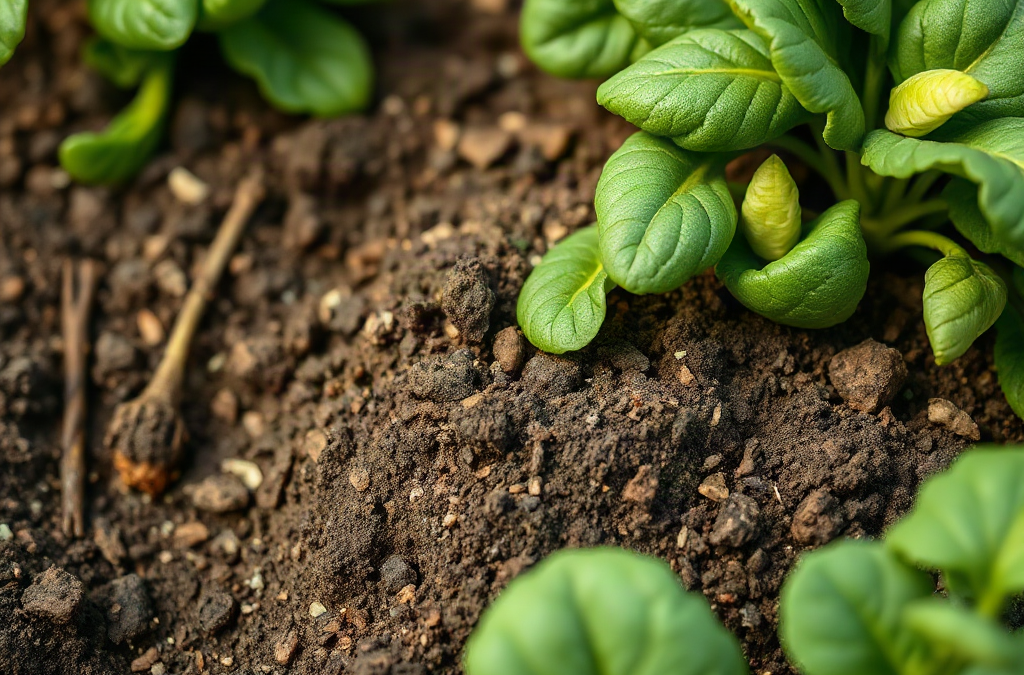
To improve vegetable flavor through soil amendments, first correct soil pH and fertility with a soil test, then add mature compost and targeted nutrients without overfeeding plants. Balanced nutrition supports steady growth, while excessive nitrogen can produce lush leaves and watery, bland harvests. Compost improves the soil’s structure and moisture consistency, but it should not replace testing when phosphorus, potassium, or pH is already high. Use lime or sulfur only according to test results, and pair amendments with even watering and harvest at the proper maturity. Flavor changes gradually, so compare crops from amended and untreated areas across a full growing season rather than expecting an immediate transformation.
Why Soil Changes Vegetable Flavor
Soil amendments influence flavor by changing the conditions that control root growth, nutrient uptake, moisture availability, and plant stress. A tomato, carrot, onion, or leafy green does not taste better simply because more fertilizer was added. Flavor develops when the plant has access to suitable nutrients and water without being pushed into excessively rapid, soft growth.
Soil pH is one of the first conditions to check. When pH is unsuitable for a crop, nutrients may remain present in the soil but become less available to roots. A plant can then show weak growth or uneven quality even after additional fertilizer is applied. A soil test gives a more useful starting point than judging fertility by color, texture, or last season’s harvest.
Organic matter affects flavor indirectly but substantially. Mature compost can improve drainage in heavy soil and water retention in sandy soil, producing steadier root-zone moisture. That consistency matters because repeated swings between drought and saturation can stress plants and contribute to tough, bitter, or poorly developed produce. Compost also supplies nutrients gradually, although its nutrient analysis varies and it should not be treated as a precise substitute for a test.
Excess nitrogen is a common flavor problem. High-nitrogen manure or fertilizer may encourage large leaves and vigorous stems while delaying fruit maturity or diluting the concentration of flavor compounds. The opposite mistake is starving a heavy-feeding crop and expecting compost alone to correct it immediately. A sensible approach matches the amendment to the soil deficiency and the crop’s growth stage.
For instance, a bed producing leafy lettuce with harsh bitterness may have inconsistent moisture or plants that matured during heat, rather than a simple lack of fertilizer. A tomato bed with abundant foliage and bland fruit may have received too much nitrogen. Soil amendments can address the underlying growing conditions, but they cannot compensate for unsuitable varieties, poor harvest timing, heat, or irregular irrigation. Readers comparing methods can use how to improve vegetable flavor through soil amendments as a planning reference while treating the soil test as the decision point.
Choosing Amendments From Soil Test Results
A soil test should determine whether the bed needs pH correction, organic matter, or a specific nutrient amendment. The report commonly provides pH and levels of nutrients such as phosphorus and potassium, along with recommendations for the crops or garden area tested. Use those results before buying products; adding a familiar amendment every season can create an imbalance rather than improve flavor.
If pH is too low, agricultural lime may gradually raise it, but the required amount depends on soil texture, existing pH, and the material’s neutralizing value. If pH is too high, sulfur or another approved acidifying material may be recommended, though changes are not instant. Do not use lime as a general “sweetness” treatment, and do not add sulfur merely because a crop is reputed to prefer slightly acidic conditions. The measurement and the crop’s needs should justify the application.
Nutrient amendments require the same restraint. Potassium is involved in plant water relations and many quality-related processes, but adding more potassium to soil that already tests high is not a reliable flavor strategy. Phosphorus is especially easy to overapply through repeated compost, manure, or balanced fertilizer use. Excess nutrients can move into waterways and may interfere with the availability of other elements.
Test the area where roots will grow rather than relying on a sample from a compost pile or a single unusual spot. Mix several subsamples from the bed at a consistent depth, remove obvious debris, and follow the laboratory’s instructions. A new raised bed filled with purchased soil deserves its own test because its composition may differ sharply from the native ground below it.
When no test is available, a modest incorporation of finished compost is generally less risky than applying concentrated mineral fertilizer, but “less risky” does not mean unlimited. Avoid fresh manure, which can be too strong, introduce weed seeds, and create sanitation concerns around edible crops. The practical priority is correction, not accumulation: amend only what the report or observed soil condition supports, then reassess after a season.
Using Compost, Minerals, And Organic Fertilizers
Finished compost is the most broadly useful amendment for improving the physical environment around vegetable roots. It can loosen compacted soil, add organic matter, and moderate moisture swings. Incorporate it into the planting zone before sowing or transplanting rather than piling it against stems. Compost is most useful when the soil is structurally poor; it is less useful as a blanket nutrient treatment for a bed that already receives substantial organic inputs.
Organic fertilizers, such as plant-based meals or well-processed animal-based products, release nutrients at rates affected by temperature, moisture, and microbial activity. That gradual release can suit a long-season crop, but it may not correct a deficiency quickly in cool soil. Product labels differ, so use the analysis and application directions rather than assuming every organic product is mild. A concentrated organic fertilizer can still burn roots or push excessive foliage.
Mineral amendments are appropriate when a test identifies a specific need. For example, a confirmed potassium deficiency may call for a potassium source chosen according to the report. A confirmed magnesium issue should not automatically be treated with a random salt product, because the actual cause could be pH, poor root conditions, or an imbalance with another nutrient. Foliar sprays can temporarily affect some deficiencies, but they do not rebuild the root-zone conditions that caused the problem.
Match the material to the crop and the timescale. A perennial bed or repeatedly used vegetable plot benefits from gradual organic-matter management, while a short-season radish crop has little time for a slow amendment to transform conditions. Fruiting crops often need steady nutrition through flowering and fruit development, whereas excessive early feeding can produce foliage at the expense of timely fruit production.
A practical amendment plan can follow this order:
- Test pH and nutrient levels before adding concentrated products.
- Correct severe pH or structural problems before chasing flavor differences.
- Use mature compost in moderate amounts when organic matter or structure needs improvement.
- Apply a single targeted nutrient only when the test or a qualified recommendation supports it.
- Record the material, rate, date, crop, and harvest observations for the next season.
The common mistake is combining compost, manure, fertilizer, lime, and mineral supplements in one application. That approach makes it impossible to identify what helped and increases the chance of excess salts or nutrients. A controlled, modest change produces better information than a heavily amended bed.
Application Timing, Water, And Flavor Checks
Apply most soil amendments before planting so they can mix through the root zone without disturbing established roots. Slow-release organic materials need time to decompose, while pH amendments may require weeks or longer to influence the soil. Adding a large amount beside mature plants is rarely a useful rescue and may damage roots or create a concentrated nutrient zone.
Water management must accompany soil improvement. A well-amended bed can still produce disappointing vegetables if it alternates between severe dryness and saturation. Use the soil’s feel and the crop’s appearance to guide irrigation, and improve drainage if water remains around roots. Deep, consistent watering is usually more useful than frequent shallow sprinkling, although containers and sandy beds may require shorter intervals.
Flavor also depends on harvest stage. Carrots left too long may become coarse, while beans harvested after seeds enlarge can become fibrous regardless of soil fertility. Tomatoes need time to ripen fully on or off the vine according to the variety and conditions. Leafy greens may taste sharper during heat or when mature. A soil amendment cannot make an overmature crop taste like a freshly harvested one.
Compare results systematically. Grow the same variety in two sections, change only the amendment treatment, and keep watering and sunlight as similar as possible. Taste several harvests rather than one sample. Record sweetness, bitterness, texture, juiciness, and harvest date. If plants become darker green and taller but produce no better-tasting vegetables, excess nitrogen or delayed maturity may be more likely than a missing “flavor nutrient.”
Signs of a useful change include steadier growth, improved crumb structure, fewer moisture extremes, and normal maturity. Warning signs include salt crusts, leaf-edge burn, unusually dense foliage, poor flowering, or a soil test showing rising phosphorus. Stop adding products when those signals appear and test again. More amendment is not a reliable upgrade; the goal is a balanced root environment that lets the crop express its natural flavor.
For soil sampling, pH interpretation, nutrient management, and compost safety, consult soil-testing laboratories, land-grant university extension publications, and USDA gardening resources. These sources can provide region-specific recommendations because amendment rates depend on soil texture, climate, crop, and laboratory results.
Frequently Asked Questions
Can compost make vegetables taste sweeter?
Compost may improve flavor indirectly by supporting better structure and steadier moisture, but it does not guarantee sweetness. Variety, maturity, sunlight, temperature, and irrigation remain influential.
Does adding more fertilizer improve vegetable flavor?
Usually not. Excess fertilizer, especially nitrogen, can produce leafy growth and delayed or watery harvests. Apply nutrients according to a soil test and the crop’s requirements.
Which soil amendment is best for tomatoes?
No single amendment is best for every tomato bed. Start with a soil test, improve poor structure with finished compost, and correct documented nutrient or pH issues without overfeeding.
When should soil amendments be added?
Most amendments should be incorporated before planting. Slow-release materials and pH corrections need time, while side-dressing established crops should be limited to identified nutritional needs.
Why are my vegetables bitter even after amending the soil?
Heat, drought, irregular watering, crop maturity, and variety can cause bitterness. Check moisture and harvest timing before adding more fertilizer, then retest the soil if the problem persists.
Conclusion
Better flavor begins with a balanced root environment, not a large dose of a fashionable amendment. Test the soil, correct pH only when needed, and use mature compost to improve structure and moisture consistency. Apply targeted nutrients sparingly because excess nitrogen and accumulated phosphorus can create vigorous plants without better harvests. Keep irrigation even, protect crops from avoidable stress, and judge flavor at the proper harvest stage. A small comparison plot and written notes can reveal whether an amendment actually changed taste or merely changed foliage. Treat each season as a measured adjustment: improve the soil condition that limits the crop, watch maturity and texture, and retest before adding another product.


