
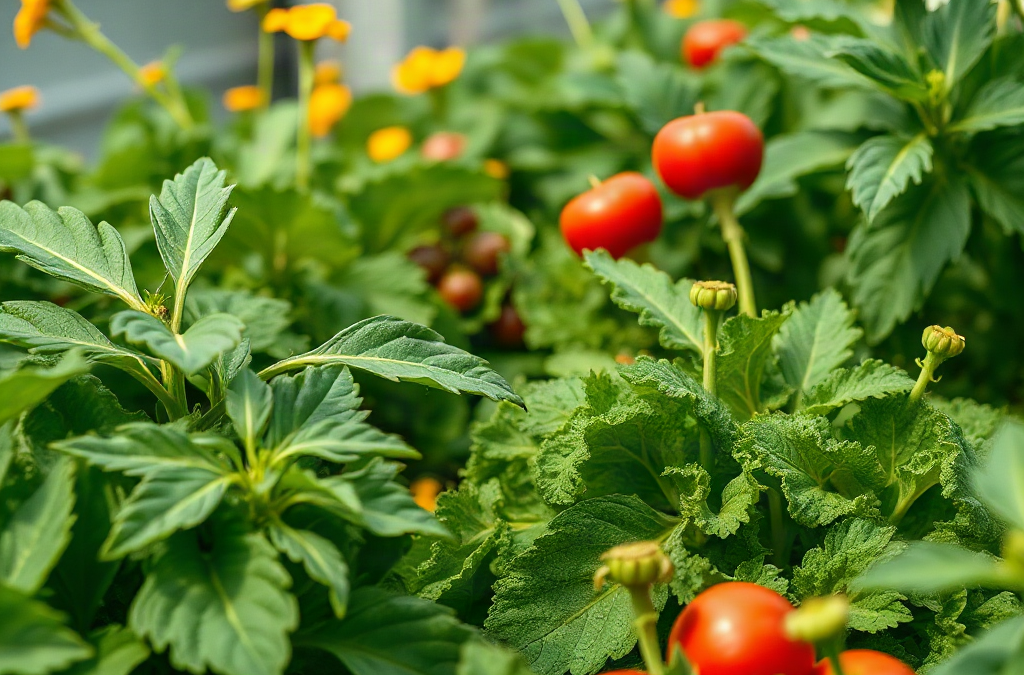
Fix underperforming vegetable varieties by comparing each cultivar under consistent growing conditions, correcting reversible stresses, and replacing plants or seed lines that remain poorly suited to the site. First check sunlight, root-zone moisture, soil temperature, fertility balance, pest damage, pollination, and planting dates rather than assuming genetics are solely responsible. Keep one reliable variety as a control while testing alternatives in small, labeled plots. Improvement after correcting water or nutrient problems points to cultivation, while repeated weak growth, late maturity, poor fruit set, or low-quality harvests across seasons supports choosing a better-adapted cultivar.
Separate Variety Failure From Growing-Condition Problems
An underperforming cultivar is not necessarily a poor cultivar. A tomato bred for long, warm summers may ripen too slowly in a cool coastal location, while a heat-tolerant lettuce may taste bitter when grown through an unexpectedly hot spell. The useful question is whether the variety is genetically mismatched to the site or whether a correctable condition is limiting its performance.
Define the failure before changing anything. Weak germination, slow growth, few flowers, blossom drop, small roots, delayed maturity, disease susceptibility, and disappointing flavor are different problems with different causes. A carrot that produces lush tops and forked roots may be reacting to excess nitrogen, compacted ground, stones, or fresh organic matter. A pepper that grows vigorously but sets little fruit may be experiencing unsuitable temperatures during flowering. Calling both examples “low yield” hides the evidence needed for a sound decision.
Compare the troubled variety with another vegetable growing nearby, but use that comparison carefully. Crops do not share identical requirements. Beans can perform acceptably in soil conditions that leave onions stunted, and cherry tomatoes may set fruit under conditions that challenge large-fruited cultivars. The strongest comparison is another variety of the same crop planted at the same time in the same bed.
Inspect the whole plant and its immediate surroundings. Uneven failure concentrated along a bed edge often points to shade, irrigation coverage, root competition, or soil variation rather than seed genetics. Uniformly weak plants from one seed packet, surrounded by healthy plants of another cultivar, make seed quality or varietal adaptation more plausible. Dig beside one plant rather than pulling it immediately; roots can reveal waterlogging, dry pockets, compaction, root feeding, or transplant circling.
Use a compact diagnostic record before applying fertilizer or replacing plants:
- Performance: Note emergence, vigor, flowering, harvest date, yield pattern, and eating quality.
- Site: Record direct sun, recent temperatures, irrigation consistency, drainage, and bed location.
- Plant evidence: Photograph leaves, stems, roots, flowers, and damaged produce.
- Comparison: Identify whether another cultivar of the same crop performed differently nearby.
A common mistake is treating a catalog maturity date as a guarantee. Such dates are useful comparisons under the supplier’s stated convention, but weather, transplant age, day length, and stress alter actual harvest timing. A variety that misses its expected date by a week is not automatically failing; one that repeatedly reaches frost with most fruit immature may simply be a poor match for that season length.
Correct the Conditions That Suppress Yield and Quality
Reversible stress should be addressed before a variety is judged. Vegetables express their genetic potential only within a workable range of light, temperature, moisture, nutrition, root space, and pest pressure. Correct the largest visible constraint first, then observe new growth or subsequent flowers instead of expecting damaged leaves and fruit to become normal.
Water management deserves priority because both shortage and saturation restrict nutrient uptake. Check moisture several inches below the surface rather than judging by a dry crust. If the root zone alternates between powder-dry and soaked, use slower, deeper irrigation and mulch after the ground is evenly moist. Confirm that emitters actually discharge water; a partially blocked line can make one row appear genetically weak. Where soil remains wet long after irrigation, reduce frequency and address drainage rather than adding fertilizer.
Light limitations produce characteristic compromises. Fruiting crops commonly become lanky and flower poorly in excessive shade, while leafy vegetables may remain usable with less direct sun. Pruning nearby vegetation can help, but moving the crop next season is often more effective than severe pruning after roots and stems are established. Do not assume “full sun” means the same exposure everywhere: intense afternoon heat can injure some crops even when total light is adequate.
Fertility should be corrected from evidence, preferably a soil test interpreted for vegetable production. Excess nitrogen can produce impressive leaves at the expense of roots, bulbs, or timely fruiting; adding more because plants are not harvesting well can deepen the imbalance. Soil pH also affects nutrient availability, but rapid, unsupported pH adjustments risk creating a second problem. Follow local laboratory or university extension guidance for amendment rates and retest on the recommended schedule.
Temperature and timing cannot always be repaired midseason. Peas sown too late may encounter heat before pod production, whereas eggplants set out into cold soil may stall even if the air later warms. Row covers, shade cloth, mulch, or a revised watering schedule can moderate conditions, but they cannot fully convert an unsuitable season into the climate a cultivar requires. Record the timing error and adjust the next sowing window.
Pests, disease, and pollination complete the check. Look beneath leaves, cut open damaged stems or fruit, and distinguish chewing, sap-feeding, spots, and wilting patterns. Confirm disease through a local diagnostic service when symptoms are ambiguous; spraying an unidentified problem wastes time and may harm beneficial insects. For flowering crops, poor fruit set may reflect weather, inadequate pollinator activity, or incomplete pollination rather than weak genetics. Readers researching how to fix underperforming vegetable varieties should resist changing water, fertilizer, and pest treatments simultaneously, because the successful correction then becomes impossible to identify.
Run a Fair Side-by-Side Variety Trial
A small controlled comparison provides better evidence than memory across different seasons. Keep a dependable cultivar as the control and grow one or two candidates beside it under matching management. This approach shows whether the original selection is genuinely lagging or whether the entire crop is responding to weather, soil, or care.
Use seed of known identity and reasonable quality, and label every row at planting. Sow comparable numbers on the same date, or start transplants in the same medium and move similarly developed plants outdoors together. Place varieties in alternating short blocks when possible. Planting the control in the best end of the bed and the candidate beside a shaded fence creates a site comparison, not a variety trial.
Measure traits connected to the reason the crop is grown. A household seeking early tomatoes should record the first usable harvest and the proportion ripening before cool weather, not merely total fruit count. For snap beans, harvest frequency, tenderness, string development, and pod quality may matter more than vine size. With storage onions, bulb maturity and storage condition can outweigh the appearance of foliage in midsummer.
A practical trial can track five observations:
- Germination or transplant survival
- Plant vigor without excessive leaf growth
- First flowering and first usable harvest
- Marketable or kitchen-usable produce
- Flavor, texture, defects, and postharvest keeping
Count usable harvests rather than every item produced. A cucumber cultivar that yields heavily but repeatedly produces bitter, misshapen, or oversized fruit may be less valuable than a moderate producer with dependable quality. At the same time, separate management errors from genetic traits: irregular picking can reduce continued cucumber production, and delayed harvest can make otherwise tender beans fibrous.
One season can eliminate an obviously unsuitable choice, but it may not identify a permanent winner. Unusual heat, persistent rain, or an early frost can favor one cultivar accidentally. Repeat close decisions in another season, especially when seed cost, bed space, or storage needs make the choice consequential. Gardeners with little room can trial two or three plants of each large crop, although small samples are more vulnerable to random losses.
The common failure is testing too many varieties without enough plants, labels, or records. A focused comparison answers a specific question, such as whether an earlier broccoli cultivar forms usable heads before local heat arrives. For a repeatable approach to how to fix underperforming vegetable varieties, change one major variable at a time and retain the control that anchors the result.
Decide Whether to Recover, Replant, or Replace
The right response depends on crop stage, remaining season, severity of damage, and the value of the occupied space. Recover plants when the growing point and roots are healthy, the limiting condition is reversible, and enough suitable weather remains. Replant when establishment failed but the sowing window is still open. Replace the cultivar in a future planting when the same weaknesses persist under fair conditions.
Recovery is most reasonable for established crops showing recent, mild stress. Correct irrigation, remove confirmed pests, provide support, or address a documented deficiency, then watch the next leaves, flowers, or harvest cycle. Old chlorotic leaves may never regain perfect color, so use fresh growth as the indicator. Continued distorted growth, spreading lesions, root decline, or repeated flower failure shows that the intervention is not restoring productive development.
Replanting often beats nursing severely stunted quick crops. Radishes, bush beans, lettuce, and some summer squash can produce from a later sowing if the calendar and weather allow. Long-season peppers, winter squash, or storage crops leave less room for delay. Calculate backward from the likely end of suitable weather using a realistic maturity range plus establishment time; do not rely on the shortest catalog number alone.
Replacement becomes justified when a cultivar repeatedly misses the gardener’s priority. Examples include sweet corn that matures too late for the frost-free period, spinach that bolts before producing a useful harvest in a warm spring, or squash that suffers severe local disease pressure despite appropriate spacing and watering. Select the alternative for the demonstrated weakness: earlier maturity, heat tolerance, compact habit, disease resistance to a specifically identified disease, or suitability for containers. A resistance label is not general immunity and will not correct poor drainage, cold soil, or unrelated pathogens.
Do not save seed from a disappointing planting with the assumption that the next generation will automatically improve. Open-pollinated crops may be selected over multiple generations, but meaningful selection requires enough plants, controlled attention to crossing where relevant, and seed saved only from individuals expressing desired traits. Seed from hybrids may not reproduce the parent cultivar consistently. Most home gardeners will get faster, more dependable results by purchasing a better-adapted named variety.
Finish the decision with a short written verdict: keep, retry under one changed condition, or replace. Include the evidence behind it. That record prevents an unsuitable cultivar from returning because its name was forgotten, while also protecting a good variety from being rejected after one irrigation failure. Applying how to fix underperforming vegetable varieties as a measured selection process turns limited bed space into useful local evidence rather than repeated guesswork.
Frequently Asked Questions
How long should I wait before deciding a vegetable variety is underperforming?
Wait until the crop reaches a meaningful milestone, such as expected emergence, flowering, or harvest, while accounting for weather-related delays. Act sooner if roots are failing, disease is spreading, or the remaining season is too short for recovery.
Can fertilizer rescue a low-yielding vegetable variety?
Only when a documented nutrient shortage is limiting growth. Extra fertilizer will not correct inadequate light, unsuitable temperature, poor pollination, waterlogged roots, or genetic lateness, and excess nitrogen may delay fruiting or root development.
Should I remove an underperforming plant immediately?
Remove it promptly if it has an untreatable contagious problem or if replacement timing is closing. Otherwise, inspect its roots and growing conditions, make one targeted correction, and judge the response through new growth.
Why does the same variety perform differently from one year to the next?
Temperature patterns, rainfall, planting dates, pest pressure, soil moisture, and pollination vary by season. A repeated side-by-side trial with a reliable control helps distinguish seasonal effects from a consistently weak cultivar.
What should I look for in a replacement vegetable variety?
Match the replacement to the recorded failure and local conditions. Consider realistic maturity, heat or cold adaptation, resistance to a confirmed disease, plant size, harvest quality, and whether the crop suits the available bed or container.
Conclusion
Useful variety decisions come from diagnosis rather than a single disappointing harvest. Identify the exact weakness, inspect the root zone and plant pattern, and correct the largest reversible constraint without changing several inputs at once. Compare the cultivar with a reliable alternative under the same planting date, bed conditions, and care, then measure usable harvest and quality instead of foliage or raw fruit count alone.
Recover established plants when healthy roots, workable weather, and new growth make improvement realistic. Replant fast crops while their sowing window remains open, and replace cultivars that repeatedly mature too late, fail under local temperatures, or show a confirmed susceptibility that conflicts with site conditions. Label the next trial and record a few decision-relevant observations. Those notes will make future seed choices more accurate than catalog descriptions or memory alone.


