
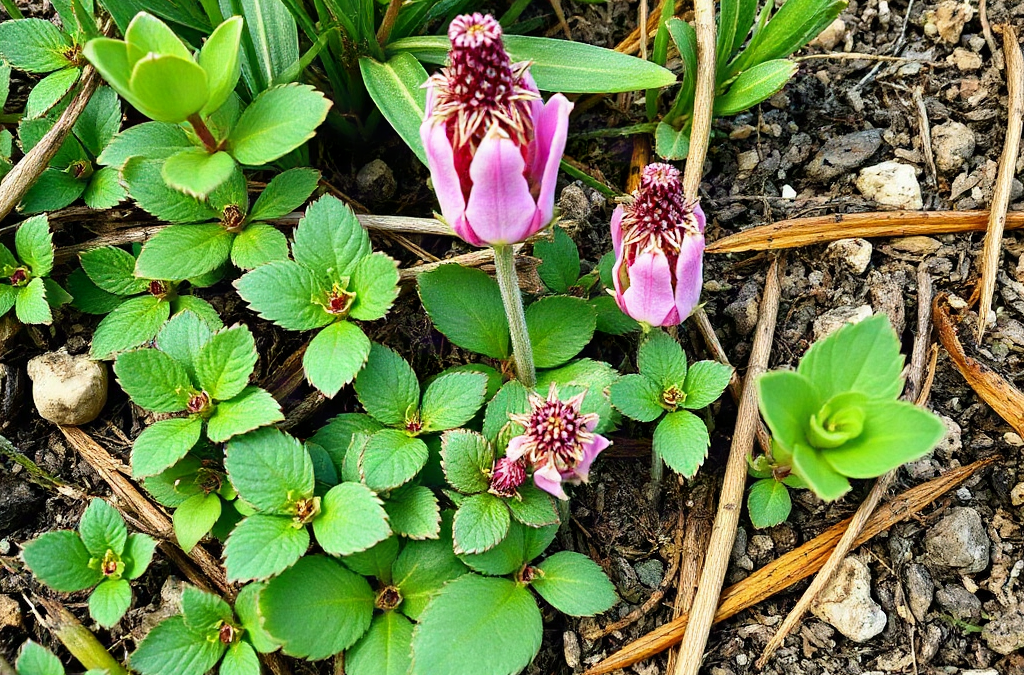
Ground cover plants that spread without taking over include barren strawberry, wild ginger, creeping phlox, foamflower, Allegheny spurge, sedges, and several low-growing thymes. These plants expand through short runners, rhizomes, clumps, or self-rooting stems, but their growth remains easier to edge, divide, or redirect than aggressive spreaders such as English ivy. Success still depends on matching each plant to the available light, moisture, soil drainage, and growing zone. Leave room for mature width, inspect bed boundaries each spring, and avoid species listed as invasive in your region.
What Controlled Spreading Actually Means
A manageable ground cover expands beyond its original crown but remains practical to inspect, trim, divide, or pull from unwanted areas. That distinction matters more than a plant label such as “fast spreading” or “low maintenance.” Growth behavior changes with climate, irrigation, soil fertility, and the presence of barriers. A restrained plant in dry shade may move surprisingly quickly beside an irrigated lawn.
Plants cover ground through different mechanisms. Clump-forming sedges widen gradually from the crown. Creeping phlox produces stems that root as they contact suitable soil. Wild ginger and Allegheny spurge travel through underground rhizomes. Barren strawberry sends out short runners. None is maintenance-free, but these habits are usually easier to supervise than long, vigorous vines or plants that scatter abundant seed over a wide area.
“Not invasive” and “will not spread” are not interchangeable. Invasive plants escape cultivation and cause ecological harm, while an assertive garden plant may simply grow beyond its allotted bed. Status also varies geographically. A species welcomed in one region may be restricted or environmentally troublesome elsewhere, so local extension offices and invasive-plant councils should be checked before purchase.
Site boundaries are equally important. A ground cover surrounded by paving, a foundation, and a mown edge is easier to manage than the same plant placed beside woodland or a perennial border. Where escape would be difficult to correct, favor clumping species or locally native plants with well-documented behavior. The useful question is not whether a plant spreads, but whether its stems, roots, and seedlings can be found and removed before they cross a boundary.
Avoid assuming that dense coverage will immediately eliminate weeds. Young plants leave open soil while they establish, and perennial weeds can rise through even mature foliage. Clear bindweed, nutsedge, quackgrass, and other persistent weeds before planting rather than expecting the ground cover to smother them later. That early preparation makes ground cover plants that spread without taking over far easier to maintain.
Nine Ground Covers With Manageable Growth
The strongest candidates combine visible growth habits with stems or crowns that can be cut back without major excavation. The following examples cover different climates and exposures, so they are a selection pool rather than a universal planting list.
- Barren strawberry (Waldsteinia species): Forms a low mat with yellow spring flowers and short runners. It handles partial shade and is often easier to edge than true strawberries, but runners still need watching near small perennials.
- Wild ginger (Asarum species): Creates a leafy colony in moist shade through shallow rhizomes. Choose a species native or well adapted to the region; growth may be slow in dry, compacted ground.
- Creeping phlox (Phlox subulata): Produces an evergreen or semi-evergreen carpet and abundant spring bloom in sun and sharply drained soil. It spreads over the surface rather than sending deep roaming roots, although old mats can become thin at the center.
- Foamflower (Tiarella cordifolia and related selections): Suits humus-rich shade and expands by short stolons or crowns, depending on the selection. It dislikes hot, exposed sites and prolonged drought.
- Allegheny spurge (Pachysandra procumbens): A North American woodland ground cover with a slower, more open habit than Japanese pachysandra. It needs patience during establishment but generally requires less boundary correction.
- Pennsylvania sedge (Carex pensylvanica): Makes soft, grasslike colonies in dry to moderately moist shade. It can substitute for turf where mowing is inconvenient, but it does not tolerate constant walking.
- Plantain-leaved sedge (Carex plantaginea): Develops distinctive broad leaves in shaded beds. Its clumping habit is useful around shrubs and woodland perennials where a running plant would be risky.
- Creeping thyme (Thymus serpyllum or low-growing cultivars): Fills sunny, dry joints and bed edges with aromatic foliage. It accepts occasional steps once established, but wet winter soil can kill sections of the mat.
- Green-and-gold (Chrysogonum virginianum): Bears yellow flowers and spreads at a moderate pace in partial shade. Moisture encourages fuller coverage, while excessive shade can produce sparse, stretched growth.
Plant names alone do not settle the choice. A compact cultivar can behave differently from the straight species, and closely related plants may have very different regional records. Verify the botanical name on the label, expected mature spread, hardiness range, and local invasive status. Avoid substituting English ivy, periwinkle, wintercreeper, goutweed, or chameleon plant merely because they are marketed as rapid cover; these can be difficult to remove and are invasive or problematic in numerous areas.
Match the Plant to Light, Moisture, and Foot Traffic
Site fit controls both coverage and restraint. A ground cover growing under suitable conditions tends to form an even colony, while a stressed planting often leaves gaps that weeds occupy. Conversely, rich soil and frequent irrigation can make some running plants more vigorous than expected. Evaluate the bed at ground level rather than relying on a broad label such as “shade garden.”
For hot, open slopes or spaces between stepping stones, creeping thyme and creeping phlox are stronger choices than woodland plants. Both need drainage around the crown, especially during cool or wet seasons. Thyme tolerates light, occasional foot contact, while phlox is better placed beside a path rather than in it. Neither should be expected to withstand the repeated compaction of a play route or a dog run.
Under deciduous trees, light changes through the year and roots compete for water. Pennsylvania sedge can handle drier shade once established, whereas foamflower and wild ginger perform better where leaf mold and steady moisture are available. Installing moisture-loving plants beneath shallow-rooted trees and compensating with daily irrigation can stimulate tree-root competition while creating an unsustainable maintenance burden. A drought-tolerant sedge or a wider mulch ring may be the more durable answer.
Observe water after a heavy rain. Standing water rules out most creeping thymes and may thin creeping phlox. A slope that dries within hours calls for a plant able to establish in leaner conditions, plus temporary watering during its first season. Soil amendments should address an actual limitation rather than turn the entire bed into a rich pocket. Heavy additions of compost can retain too much moisture around dry-site plants and encourage soft, excessive growth.
Use this short selection check before buying:
- Exposure: Count direct sun hours during the growing season.
- Moisture: Note whether the bed dries rapidly, stays evenly moist, or collects water.
- Traffic: Distinguish occasional steps from a regular walking line.
- Boundary risk: Identify adjacent lawns, paving joints, natural areas, and delicate perennials.
- Regional fit: Confirm hardiness and invasive status with a local source.
A site that cannot support continuous living cover may be better served by mulch, stepping stones, or a combination of spaced sedges and leaf litter. Choosing a plant merely to avoid bare ground often creates a second problem when its cultural needs conflict with the location.
Planting for Coverage Without Creating a Maintenance Problem
Spacing should be based on mature width and acceptable waiting time, not the desire for an instant carpet. Crowding plants gives quick visual closure but increases cost, traps moisture, and makes individual crowns difficult to inspect. Excessively wide spacing has the opposite effect: exposed soil remains weedy and may erode before plants meet.
Start by removing perennial weed roots and confirming where utilities, irrigation lines, tree roots, and bed edges lie. Loosen only the planting area needed for each root ball rather than deeply tilling beneath established trees. Set crowns at the same depth they occupied in their containers. Deep planting can rot thyme and phlox crowns, while root balls left above grade dry rapidly.
Arrange plants in staggered rows for more uniform coverage. If a label gives a mature width range, spacing near the narrower end closes faster but requires earlier division or edging. Spacing near the wider end costs less and preserves airflow, though mulch and hand weeding will be needed longer. On a slope, place plants close enough to reduce exposed soil without assuming their young roots will immediately stabilize runoff. Erosion netting made for planted slopes or temporary surface protection may still be necessary.
Apply a modest layer of mulch between new plants, keeping it away from crowns and surface-running stems. Thick wood mulch can block low stems from rooting into soil, delaying the very spread the planting was meant to provide. Fine leaf mulch often suits woodland species, while a thin mineral mulch may work around dry-site thyme if it does not hold water at the crown.
Water deeply enough to moisten the root zones, then allow the surface conditions appropriate to the species to return. Repeated shallow sprinkling encourages shallow rooting and weeds. New transplants need closer attention than established colonies, but permanent high-frequency irrigation can make runners travel farther and leave dry-adapted plants vulnerable to rot.
A successful first season shows new leaves, rooted stems or widening clumps, and gradually smaller gaps without long shoots crossing the bed edge. Failure appears as bare centers, blackened crowns, yellow foliage in wet soil, or thin stems reaching toward better light. Correct drainage, exposure, or irrigation before adding more plants. A related planning resource on ground cover plants that spread without taking over can also help compare mature width with the available bed area.
Containment Checks and Warning Signs
Light, scheduled maintenance keeps a well-chosen ground cover restrained. Inspect the perimeter in spring when new growth is easy to see, again after the main growth flush, and once before winter dormancy. Follow runners back to the parent colony and clip them at the desired line. For shallow rhizomes, lift the wandering section with a spade rather than repeatedly cutting only the leaves.
Physical edging can help, but it is not a universal barrier. A crisp spaded edge works well between a colony and lawn because mowing exposes escapees. Paving contains surface stems only if joints are intact; rooted fragments may continue on the far side. Deep plastic barriers are unnecessary for many moderate spreaders and can interfere with drainage or tree roots. Plant selection and visible access to the boundary usually matter more than elaborate containment.
Self-sown seedlings require a different response from runners. Deadheading before seed matures can reduce unwanted volunteers, but it also removes food sources and winter structure. Where seedlings can be recognized and pulled easily, allowing some seed may be acceptable. Near natural land or among small alpine plants, removing spent flowers is the safer choice.
Watch for growth that accelerates after a change in conditions. A repaired irrigation line, removal of a shade tree, or added fertilizer can transform a previously restrained colony. Long shoots entering shrub crowns, repeated emergence beyond edging, and rooted fragments appearing downslope indicate that the plant no longer matches the setting. Do not wait for complete coverage before acting; thin the advancing edge and reassess water and nutrients.
Decline can also be mistaken for good restraint. A plant that has not widened after two growing seasons may be surviving rather than establishing. Check whether crowns are buried, roots remain pot-bound, runoff bypasses the root ball, or the exposure is unsuitable. The goal is steady, legible expansion—not no growth at all. If correction would require constant irrigation or soil alteration, replace the plant with a species suited to existing conditions rather than forcing performance.
Frequently Asked Questions
What is the easiest ground cover to keep contained?
Clump-forming sedges are often easier to contain than plants with long runners because their boundaries remain visible. The best species still depends on local light, moisture, and winter conditions.
How quickly should a manageable ground cover spread?
Expect gradual widening over several growing seasons rather than instant coverage. Establishment speed varies with species, plant size, spacing, climate, and irrigation; unusually rapid extension beyond the bed warrants early trimming.
Can ground cover replace mulch completely?
Mature foliage can shade much of the soil, but mulch is useful between young plants while they establish. Keep mulch thin near crowns so it does not cause rot or prevent creeping stems from rooting.
Which manageable ground covers tolerate people walking on them?
Creeping thyme may tolerate occasional steps after establishment, but it is not a substitute for turf on a busy route. Use stepping stones wherever foot traffic is frequent or concentrated.
How do I stop ground cover from entering the lawn?
Maintain a visible cut edge, mow regularly, and remove runners before they root deeply. A narrow paving strip can simplify inspection, but joints must be monitored for rooted stems.
Conclusion
Choose ground cover by growth mechanism and site fit rather than by promises of rapid coverage. Clumping sedges suit locations where boundary control is the priority, while short-running plants such as barren strawberry, foamflower, and creeping thyme can fill space predictably when their light and moisture needs are met. Verify the exact botanical name and regional invasive status before planting, especially near woodland, waterways, or neighboring property.
Prepare the bed by removing perennial weeds, space plants for mature width, and keep crowns at the proper depth. During establishment, look for steady new growth without rot, bare centers, or long escaping stems. A brief perimeter inspection two or three times during the growing season is usually more effective than installing complicated barriers after a colony has escaped. If a plant needs constant watering, trimming, or correction, replace it with one better matched to the site.


