
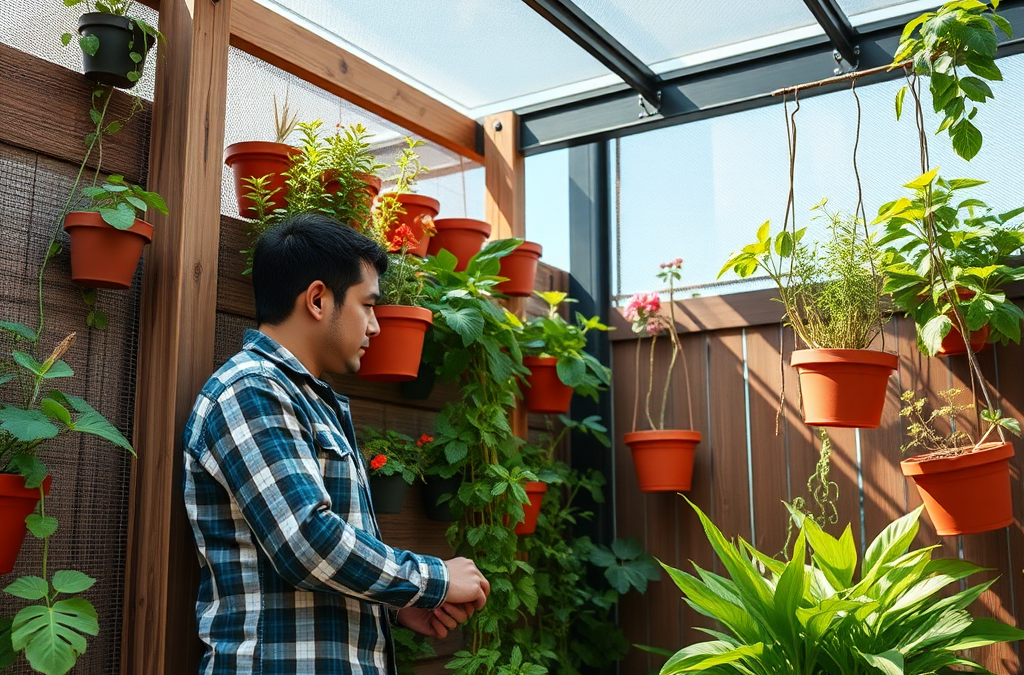
Creating a sensory garden for kids involves incorporating various elements that engage all five senses, such as fragrant plants, textured surfaces, colorful flowers, and sounds from water features. Start by selecting plants that appeal to touch and smell, like lamb's ear and lavender. Add tactile paths made of different materials and include wind chimes or bubbling fountains for auditory stimulation. This garden can enhance children's sensory experiences and encourage their curiosity about nature.
Understanding Sensory Gardens
Sensory gardens are specially designed spaces that stimulate the five senses: sight, sound, touch, taste, and smell. These gardens are particularly beneficial for children as they encourage exploration and interaction with the natural world. By engaging the senses, sensory gardens can enhance learning experiences, promote creativity, and foster a deeper appreciation for nature. They are especially useful for children with sensory processing issues, providing a calming environment that can help them feel safe and engaged.
When creating a sensory garden, it’s crucial to consider the various sensory elements that will be included. A well-planned sensory garden not only provides aesthetic pleasure but also serves as an educational tool that can teach children about different plants, textures, and sounds in their environment.
Essential Elements of a Sensory Garden
To create a truly engaging sensory garden, you should incorporate elements that stimulate each sense:
- Touch: Incorporate plants with varied textures, such as soft lamb’s ear, rough bark, and smooth stones. Tactile paths made from different materials, like gravel or wood chips, can also enhance the touch experience.
- Smell: Choose fragrant plants like lavender, rosemary, and mint. These plants not only smell wonderful but can also be used in cooking, connecting the sensory experience to practical applications.
- Sight: Use a variety of colorful flowers and foliage to create visual interest throughout the seasons. Consider plants with different heights and shapes to add dimension and intrigue.
- Sound: Incorporate elements that produce sound, such as wind chimes, water features, or rustling grasses. These sounds can create a soothing atmosphere and draw children into the space.
- Taste: Include edible plants like strawberries, herbs, and vegetables that children can pick and taste. This can make the garden a fun and interactive space for learning about food and nutrition.
Each of these elements plays a pivotal role in engaging children and creating a memorable sensory experience.
Designing the Space
When designing a sensory garden, layout and accessibility are crucial. The garden should be easy for children to navigate, with clear pathways that invite exploration. Consider using curved paths rather than straight lines, as these can create a sense of adventure and discovery. Raised beds can also be beneficial, as they make it easier for children of all abilities to reach the plants.
Incorporating seating areas can provide spots for children to relax and reflect on their experiences. Benches made from natural materials can blend seamlessly into the garden, encouraging quiet observation of the surrounding environment. Additionally, creating small “discovery zones” with specific themes can enhance the exploration aspect, such as a section dedicated to fragrant herbs or a tactile area featuring various textures.
It’s also important to consider safety when designing the space. Choose non-toxic plants and ensure that pathways are stable and free from hazards. Adequate shading and seating can protect children from the sun and provide comfortable areas for rest.
Engaging Activities for Kids
To maximize the benefits of a sensory garden, consider incorporating various activities that encourage hands-on engagement. Here are some ideas:
- Scavenger Hunts: Create a scavenger hunt that encourages children to find specific plants, textures, or colors within the garden. This can foster observation skills and encourage exploration.
- Gardening Tasks: Involve children in planting, watering, and maintaining the garden. This hands-on experience can teach them responsibility and the basics of gardening.
- Crafts and Art: Use natural materials from the garden, such as leaves, flowers, and stones, for art projects. This can connect children with the garden on a creative level.
- Taste Tests: Organize taste-testing sessions with edible plants from the garden, allowing children to explore flavors and textures while learning about healthy eating.
- Story Time: Set up a cozy reading nook in the garden where children can enjoy stories related to nature. This can enhance their connection to the environment and stimulate their imagination.
By incorporating engaging activities, you can create a dynamic and interactive sensory garden that keeps children coming back for more.


