
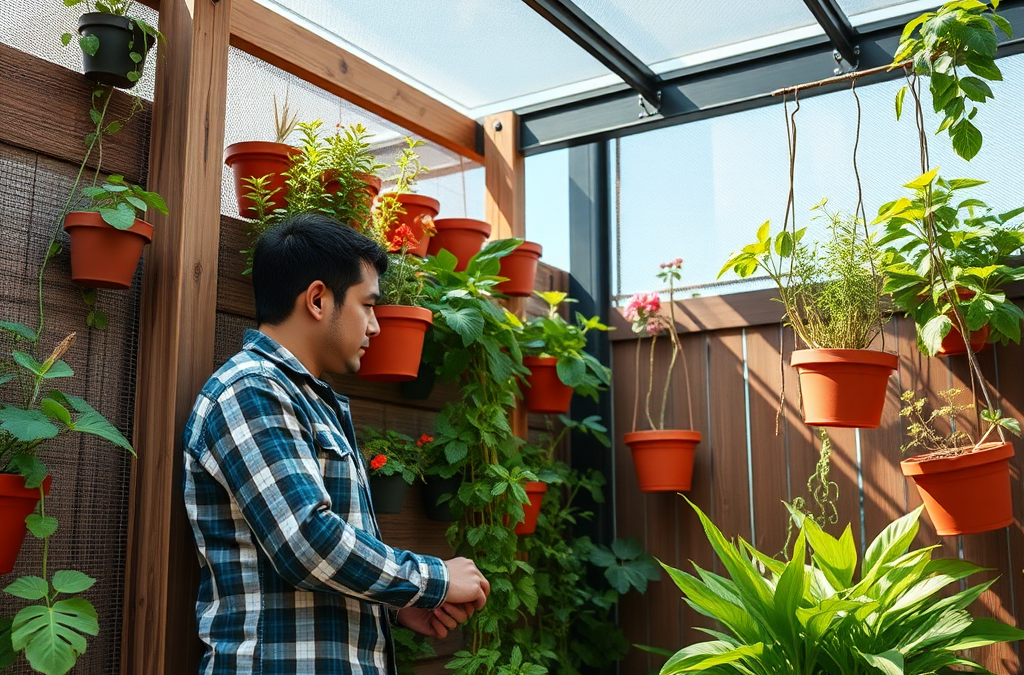
To plant a vertical garden successfully, start by selecting a suitable structure, ensuring it supports your chosen plants. Use lightweight soil and ensure proper drainage to prevent waterlogging. Incorporating a drip irrigation system can enhance moisture control, while selecting the right plants for vertical growth can maximize your space. Avoid common mistakes such as overcrowding plants and neglecting sunlight requirements.
Choosing the Right Structure
Choosing the right structure is crucial for a successful vertical garden. Options range from wall-mounted planters to freestanding frames and trellises. Each type has its own advantages: wall-mounted systems save ground space, while freestanding structures can be moved to optimize sunlight exposure. Consider the weight of the plants and soil when selecting a structure, as heavier setups may require additional support or anchoring.
For example, a wooden trellis can support climbing plants such as beans and peas, while a pocket planter can be ideal for herbs and small flowers. Ensure that your structure allows for adequate airflow and sunlight penetration, as both are vital for plant health. Additionally, think about aesthetics and how the structure will fit into your overall garden design.
Soil and Plant Selection
Soil choice and plant selection play a significant role in the success of a vertical garden. Lightweight potting mixes are often recommended, as they reduce the overall weight and improve drainage. Look for soil that retains moisture without becoming waterlogged. Incorporating organic matter, such as compost, can enhance soil fertility and support plant growth.
When selecting plants, consider those that naturally grow vertically, such as vining plants like cucumbers and tomatoes, or trailing plants like strawberries. It’s also essential to choose plants that thrive in your climate and light conditions. For instance, if your vertical garden receives limited sunlight, opt for shade-tolerant varieties, such as ferns or shade-loving herbs.
Irrigation and Maintenance
Irrigation is a critical component of vertical gardening. A drip irrigation system can provide consistent moisture while minimizing water waste. Ensure that your system is adjustable, allowing you to control the water flow based on plant needs and weather conditions. Regularly check for blockages and leaks to maintain efficiency.
Maintenance also includes regular pruning and harvesting. Pruning encourages healthy growth and prevents overcrowding, which can lead to pest issues. Monitoring for pests and diseases is equally important, as vertical gardens can sometimes trap moisture, creating a favorable environment for mold and mildew. Implementing companion planting strategies can help deter pests naturally.
Common Mistakes to Avoid
Avoiding common mistakes is essential for maintaining a thriving vertical garden. One frequent error is overcrowding plants, which can lead to competition for light and nutrients. Each plant requires adequate space to grow; therefore, follow spacing guidelines based on the mature size of the plants.
Another mistake is neglecting sunlight requirements. Some plants may need full sun, while others thrive in partial shade. Always assess the sunlight conditions of your chosen location and select plants accordingly. Additionally, be cautious of water management; overwatering can lead to root rot, while underwatering can stress the plants. Regularly check the moisture levels in the soil and adjust your watering schedule as needed.
Frequently Asked Questions
What types of plants are best for vertical gardening?
Climbing plants like tomatoes, cucumbers, and peas, as well as trailing plants like strawberries and herbs, are ideal for vertical gardening.
How do I ensure proper drainage in my vertical garden?
Use lightweight potting soil and ensure that your containers or structures have drainage holes to prevent waterlogging.
Can I grow vegetables in a vertical garden?
Yes, many vegetables can thrive in vertical gardens, particularly those that naturally climb or trail, such as beans, peas, and squash.
How often should I water my vertical garden?
Watering frequency depends on the plants and weather conditions; typically, it's best to check soil moisture and water when the top inch feels dry.
What are common pests in vertical gardens?
Common pests include aphids, spider mites, and whiteflies. Regular monitoring and companion planting can help deter them.
Conclusion
Successfully planting a vertical garden requires careful planning and attention to detail. Prioritize selecting the right structure and soil, and choose plants that are well-suited to your environment. Implementing a proper irrigation system and maintaining your garden regularly will help ensure thriving plants. By avoiding common mistakes, such as overcrowding and neglecting sunlight needs, you can create a flourishing vertical garden that maximizes your growing space.


