
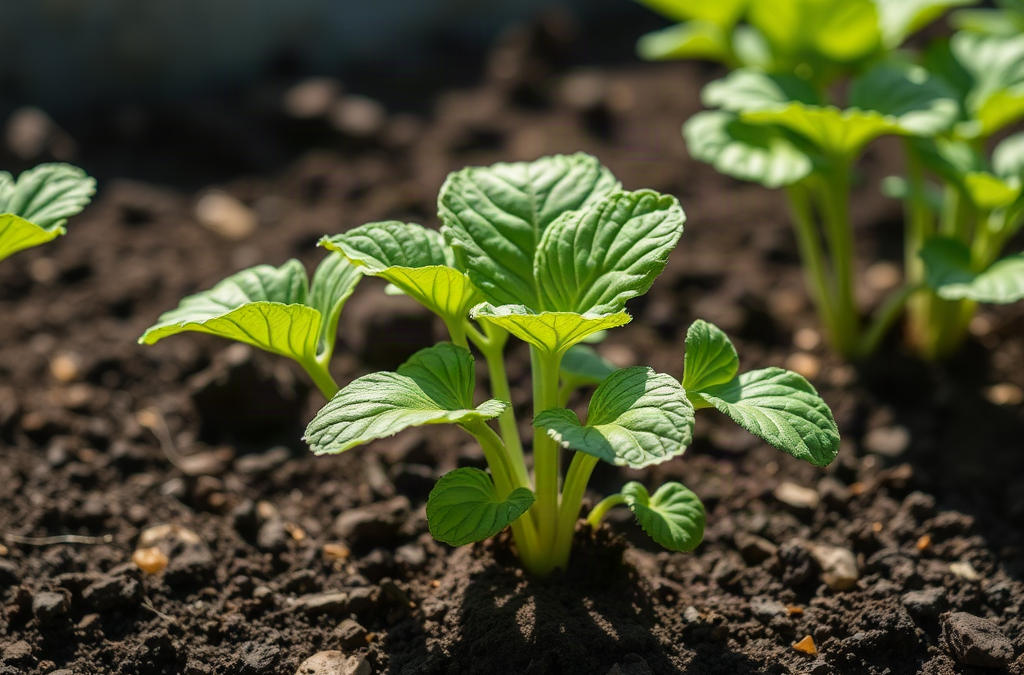
Vegetable plants wilt in the sun when leaves lose water faster than roots can replace it, usually because of intense heat, dry soil, compacted roots, or damaged stems. Check soil several inches below the surface before watering, because bright afternoon drooping can be temporary while dry soil points to a real moisture shortage. Water slowly at the soil line, improve drainage if the bed stays soggy, and use mulch to reduce evaporation without piling it against stems. Persistent wilting in the morning, yellowing leaves, split stems, or soft roots suggests root disease, pests, or transplant stress rather than sunlight alone.
Why Sunlight Makes Wilting More Visible
Sun-facing leaves lose water through tiny openings called stomata. On a hot, dry, or windy afternoon, evaporation from the foliage can outpace the supply moving upward from the roots, so leaves soften, droop, or curl. The sun is often the trigger that exposes an imbalance rather than the only underlying problem. A tomato plant in adequately moist soil may sag briefly at 3 p.m. and recover by evening, while the same plant may wilt progressively when its roots are restricted or the soil is genuinely dry.
Leaf area, plant size, and weather all change the demand. Cucumbers, squash, pumpkins, and large tomato plants can lose water quickly because they carry broad leaves. Seedlings and recently transplanted peppers have the opposite problem: their small or disturbed root systems cannot yet supply the foliage efficiently. A black container on a hot patio can also heat the root zone far more quickly than garden soil, increasing stress even when the plant receives the same number of sunlight hours.
Do not assume that more water is automatically the answer. Soggy soil contains less air, and roots deprived of oxygen absorb water poorly. That creates a confusing pattern in which a plant wilts even though the bed feels wet. Shallow daily sprinkling can cause a different problem by keeping moisture near the surface and encouraging roots to remain shallow. The practical priority is to match the response to the soil condition, root health, and timing of the wilt.
Observe the plant at two points: during the hottest part of the afternoon and again early the next morning. Recovery overnight suggests temporary heat demand; continued morning wilt deserves a closer check. Compare affected plants with healthy plants of the same crop, especially if only one section of a bed is involved. That comparison can reveal a clogged drip emitter, a pocket of compacted soil, or localized root damage.
Checks That Separate Heat Stress From Water Problems
Soil moisture is the first useful check, but the surface alone is unreliable. Push a finger, wooden plant label, or narrow trowel several inches into the root zone near—but not directly against—the stem. Dry soil at that depth supports watering; cool, wet soil calls for investigation rather than more irrigation. In a raised bed, moisture can vary sharply between the edge and center, so test more than one location.
Stem and leaf timing provide additional clues. Heat-related wilting usually appears during strong afternoon sun and improves when temperatures fall. Underwatering often brings dry soil, crisp leaf edges, slower growth, and wilt that becomes visible earlier each day. Overwatering or poor drainage may produce pale leaves, soft growth, a sour-smelling root zone, or a plant that remains limp despite wet soil. A broken stem, vole damage, or a constriction at the soil surface can interrupt water movement even when the roots are moist.
Check the irrigation system while it is running. A hose may wet one side of a plant while leaving the main root zone dry; drip lines can kink, clog, or sit too far from expanding roots. Sprinklers may lose coverage under dense foliage. Watering on a timer can also become inaccurate after a heat wave, a change in season, or a shift in plant size. A measured inspection is more dependable than increasing the schedule by guesswork.
Look underneath leaves for clusters of aphids, whiteflies, mites, or stippling. Sap-feeding pests can reduce plant vigor and make midday stress more severe, although they are not the explanation for every wilted plant. Inspect the base for dark lesions, chewed tissue, or a narrow damaged band. If a single plant collapses while neighboring plants remain healthy, localized root or stem trouble is more likely than a general sunlight issue.
A simple priority order helps:
- Check deep soil moisture and drainage.
- Inspect the stem, root crown, irrigation coverage, and undersides of leaves.
- Compare afternoon condition with next-morning recovery.
- Change one major variable at a time so the response is understandable.
Watering, Mulching, and Shade That Actually Help
Water stressed vegetables slowly and thoroughly at the soil line rather than spraying the leaves repeatedly. A slow application gives water time to move through the root zone instead of running off compacted ground or escaping through cracks. If the soil is extremely dry and hydrophobic, apply a modest amount, wait for it to absorb, and then water again. This staged approach is more effective than flooding the bed in one pass.
Morning is generally the most practical time to irrigate because it replenishes moisture before the day’s heat and leaves less prolonged surface wetness than evening watering. The correct interval depends on soil texture, container size, wind, crop stage, and weather. Sandy soil may need attention sooner than a loamy bed, while a large mulched planting may remain adequately moist for longer. Judge by the root zone, not by a fixed calendar alone.
Mulch can reduce evaporation and moderate temperature swings, but it is not a cure for a failing root system. Use a layer of clean organic mulch around established plants while leaving space around the stem. Thick mulch pressed against a tomato or pepper stem can trap moisture and conceal soft tissue or pests. In containers, a light surface cover may help, but it cannot compensate for a pot that is too small, overheated, or blocked at the drainage holes.
Temporary shade is useful when a transplant is suddenly exposed to intense conditions or when a heat wave follows planting. Use a breathable shade cloth or another structure that reduces midday intensity without sealing in hot, stagnant air. Permanent heavy shade is a poor solution for sun-loving crops because it can reduce flowering and yield. A better long-term adjustment may be afternoon protection, a cooler container location, or moving a future planting date so roots establish before peak heat.
Avoid rapid cycles of severe drying followed by saturation. Those swings can stress roots, split developing fruit, and create inconsistent growth. After watering, wilt should begin easing as the plant rehydrates, but damaged leaves may not become fully upright again. Judge success by new growth, improved morning posture, and stable soil moisture over several days rather than expecting every older leaf to recover.
When Wilting Points to Roots, Pests, or Disease
Persistent wilt despite moist soil shifts attention below ground. Compacted soil, poorly drained beds, root-knot nematodes, fungal root problems, and transplant damage can all reduce water uptake. Dig carefully beside an affected plant rather than pulling it immediately. Healthy roots are generally firm and light-colored, although exact appearance varies by crop and soil; mushy, dark, severely pruned, or knotted roots deserve caution.
Root problems often create a mismatch between available water and usable water. The bed may be wet, yet damaged roots cannot move enough moisture into the stems. Repeatedly adding irrigation makes the environment less favorable for recovery. Improve drainage only when drainage is the issue: loosen compacted areas around future plantings, avoid working wet soil, and use containers with open drainage holes. Removing a severely collapsed plant may protect neighboring plants if a soil-borne problem is suspected, but do not spread contaminated soil or tools through the bed.
Stem injury deserves equal attention. A cut, borer entry hole, abrasion from a tie, or animal damage can interrupt the vascular tissue that carries water. A plant that wilts on one side may have a localized blockage, while whole-plant collapse can follow damage near the base. Support vines and tie stems loosely; rigid ties that tighten as stems expand can create a preventable constriction.
Pests can intensify heat stress by removing sap or damaging leaves. Mites often thrive in hot, dry conditions and may leave fine stippling or webbing. Aphids cluster around tender growth, and whiteflies may rise when foliage is disturbed. Inspect before treating, preserve beneficial insects where possible, and follow the product label if a control is needed. Avoid applying harsh sprays to drought-stressed plants during the hottest part of the day, since foliage may be more vulnerable to injury.
The mistake to avoid is diagnosing every afternoon wilt as disease or every limp leaf as thirst. Record where the wilt appears, whether it recovers overnight, and what the soil feels like at root depth. That small record prevents repeated overwatering and makes it easier to identify a pattern after weather changes.
A Practical Same-Day Rescue and Follow-Up Plan
Respond in an order that protects the plant without hiding the evidence. First move a container plant out of reflected heat or provide temporary afternoon shade, but do not place it in a dark location indefinitely. Next inspect root-zone moisture, drainage, and irrigation coverage. If the soil is dry, water slowly at the base until the deeper root area is moistened; if it is saturated, pause irrigation and improve airflow around the planting.
Remove only leaves that are clearly dead, broken, or diseased-looking. Pruning healthy foliage during heat stress reduces the plant’s ability to produce energy and can expose fruit to sun injury. Do not fertilize a severely wilted plant as an emergency treatment. Concentrated salts can worsen root stress, and fertilizer does not repair a blocked stem or absent water supply. Wait until the plant has resumed active growth before reassessing its nutritional needs.
For the next several days, inspect at dawn and during the hottest period. A useful response includes firmer new growth, less dramatic afternoon droop, and soil that changes from moist to moderately dry rather than swinging between dust and saturation. Failure signs include morning wilt, worsening discoloration, stem collapse, foul soil odor, or no improvement after the root zone has been properly watered. Those signs justify closer root inspection and, for valuable or unusual crops, advice from a local university extension service.
Future prevention begins before the next heat event. Harden transplants gradually, place sun-loving crops where their roots have room, maintain mulch with a clear stem gap, and test irrigation at the plant rather than assuming the system is uniform. The related issue of why your vegetable plants are wilting in the sun is often easier to prevent when watering, soil structure, and exposure are considered together instead of separately.
Use a simple decision rule: dry soil calls for measured irrigation, wet soil calls for drainage and root inspection, and normal soil with localized wilt calls for stem or pest checks. Once the cause is identified, the appropriate fix is usually less dramatic—and more successful—than changing every garden condition at once. For related planning, review why your vegetable plants are wilting in the sun alongside your crop’s watering routine and container placement.
For crop-specific watering, heat-stress, pest, and disease guidance, consult publications from a local university extension service, state agriculture department, or other recognized horticultural organization. Local recommendations are especially useful because soil type, summer humidity, irrigation restrictions, and common pests vary by region.
Frequently Asked Questions
Should wilted vegetables be watered immediately?
Check soil several inches down first. Water if that zone is dry; avoid adding water when the soil is already saturated, because poor root oxygen can also cause wilt.
Why do plants wilt in afternoon sun but recover at night?
Temporary water loss can exceed root uptake during peak heat, then balance out when temperatures fall and evaporation slows. Consistent morning wilt suggests a deeper problem.
Can shade save a vegetable plant from heat stress?
Temporary afternoon shade may reduce demand during a heat wave or after transplanting. Keep it breathable and avoid permanent heavy shade for crops that need strong light to flower and fruit.
Why is a plant wilting even though the soil is wet?
Waterlogged or compacted soil can deprive roots of oxygen, while root disease, pests, or stem damage can block water movement. Inspect roots, the stem base, and drainage before irrigating again.
Should wilted plants be fertilized?
Not as an emergency measure. Resolve moisture, heat, drainage, or pest stress first; fertilizer salts may add pressure to already damaged roots.
Conclusion
Afternoon wilt is a signal to inspect the plant’s water balance, not an automatic instruction to water more. Test moisture below the surface, watch for overnight recovery, and examine drainage, stems, roots, and leaf undersides when the soil does not explain the symptoms. Dry soil calls for slow, thorough irrigation and mulch; wet soil calls for restraint and a root-zone investigation. Temporary shade can protect a heat-stressed transplant, but it should not replace adequate root development or suitable placement. Track the plant for several mornings and afternoons after making one targeted change. Improving the cause—rather than masking the droop—gives the best chance of renewed growth and helps prevent the same pattern during the next period of intense sun.


