
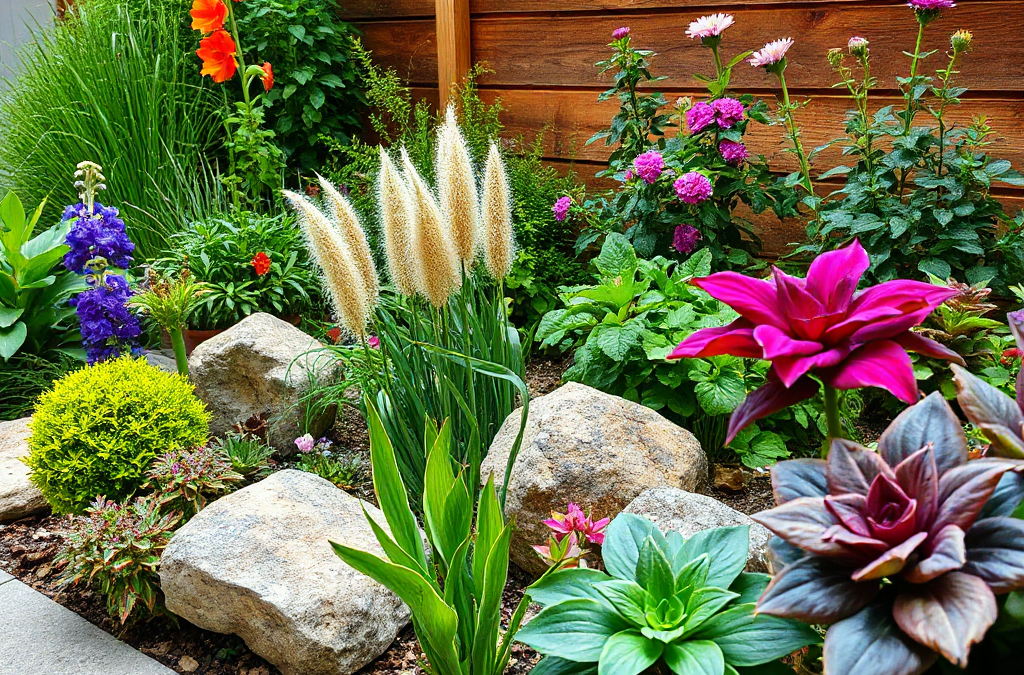
Create a sensory experience in your garden by combining fragrant plants, varied foliage, edible or textured surfaces, gentle movement, and features that attract natural sounds, then arrange them along a comfortable path. Place strong scents near entrances and seating, use contrasting leaf shapes and tactile materials at reachable height, and choose flowers or herbs that change through the seasons. Include bird-friendly water and shelter for sound, but avoid stagnant water, thorny plants beside walkways, and overwhelming fragrance in small spaces. A successful design gives visitors something to notice at different distances without sacrificing drainage, accessibility, maintenance, or plant health.
Plan the Five Senses Around How People Move
A sensory garden works best when its features are encountered in sequence rather than placed as an unrelated collection of attractive plants. Walk through the space at the pace a child, seated visitor, or person using a mobility aid might use, and note what is visible, reachable, audible, and pleasant at each point. A narrow entrance, shaded bench, sunny border, and quiet corner can each deliver a different experience.
Begin by identifying the garden’s main viewing and movement routes. Fragrant plants have greater effect beside a gate or seating area than at the far end of a border. Low herbs such as thyme or mint can be appreciated near a path, while taller aromatic shrubs may form a backdrop where their scent is released by warm air. Sightlines matter too: a visitor should see a change in color, height, or leaf form before arriving at the next feature.
Distance changes how the senses respond. Bright flowers and bold foliage work from across a yard; fine grasses, textured bark, and small edible leaves invite close inspection. Sound may come from wind moving through stems, leaves rubbing together, birds using dense planting, or water circulating in a properly maintained feature. Taste should be offered through clearly identified edible plants rather than through casual sampling of unknown ornamentals.
A common mistake is trying to make every bed stimulate every sense at once. That approach can produce visual clutter, competing aromas, muddy access, and excessive maintenance. Use a deliberate rhythm instead: one strong focal sensation followed by quieter planting. The sensory experience in your garden should feel layered, not loud.
Choose Plants for Fragrance, Texture, Taste, and Sight
Plant selection should match the sense being invited, the site conditions, and the people who will use the space. Fragrance comes from flowers, foliage, resin, and crushed leaves, but scent varies with temperature, time of day, and plant maturity. Lavender, rosemary, sweet alyssum, roses, and scented geraniums offer different fragrance profiles; placing several varieties together may be less effective than separating them so each can be noticed.
Texture is strongest when leaves and stems provide clear contrast. Pair soft lamb’s ear with upright grasses, fern fronds with broad hosta leaves, or smooth stones with rough bark. Reachable plants should be positioned where touching them will not damage the plant or expose visitors to thorns, irritant sap, or sharp edges. A textured pathway can use distinct paving materials, but each surface must remain stable, well drained, and comfortable underfoot.
Edible elements add a direct sensory connection, particularly in a kitchen garden or family space. Strawberries, sugar snap peas, basil, chives, lemon balm, and culinary herbs can be grown in containers or raised beds for easy access. Label plants clearly and avoid presenting pesticide-treated or unidentified material for tasting. Mint is vigorous and can spread beyond its intended area, so a container or root-restricted location is usually more practical than planting it loose in a small bed.
Visual design should not rely only on flower color. Leaf shape, plant height, seed heads, bark, shadows, and changing light create interest after blossoms fade. A silver-leaved plant beside dark green foliage is legible from a distance, while small flowers can disappear unless grouped or viewed close up. Prioritize plants suited to the garden’s light, soil, and moisture rather than forcing a fragile specimen into an unsuitable position.
Weak assumptions often cause disappointment. A highly fragrant plant is not automatically pleasant in every location, and a plant marketed as tactile may have leaves that deteriorate quickly in wet weather. Check mature size, bloom period, toxicity information, and maintenance needs before buying. The garden design plan should include dependable structural plants first, with seasonal accents added afterward.
Add Sound, Movement, and Seasonal Change
Sound and movement make a garden feel active even when the visitor is sitting still. Ornamental grasses, bamboo-like noninvasive alternatives, seed heads, and shrubs with flexible branches can respond to wind. Their effect depends on exposure: a sheltered courtyard may need plants with delicate leaves, while an open site may require sturdy stems that do not collapse or shed excessively.
Wildlife sounds can be encouraged through habitat rather than artificial noise. Dense shrubs, native flowering plants, seed-bearing species, and a clean, shallow water source may attract birds and beneficial insects. Water should be refreshed or circulated as appropriate and kept free of conditions that allow stagnation. A bubbling feature can mask traffic, but pumps require electricity, cleaning, winter protection, and safe placement, so it is not always the best choice for a low-maintenance garden.
Movement also comes from changing light and seasonal succession. Early bulbs, spring herbs, summer flowers, autumn grasses, and winter bark give visitors a reason to return. Plants do not need to peak simultaneously. A bed with one spring focal point, a summer fragrance layer, and autumn seed heads often feels more complete than a border designed for a single week of maximum bloom.
Consider a small patio example. A container of thyme releases scent when brushed by a passing hand, a clump of fine grass moves near the edge, a strawberry pot provides accessible fruit, and a shallow birdbath adds reflected light and potential bird activity. The arrangement works because each feature has room to register. Adding a loud fountain, several strongly scented flowers, and dense containers would not necessarily improve it.
The usual failure is selecting plants for a catalog photograph instead of the conditions that create the intended effect. Wind-sensitive stems may flop, shade may mute color, and nighttime flowers may be missed if the garden is used only during the day. Observe when the space is occupied, then choose sensory features that operate during those hours.
Make the Design Comfortable, Safe, and Manageable
Accessibility and safety determine whether a sensory garden can be enjoyed rather than merely admired. Keep primary paths firm, reasonably even, and wide enough for the people using them. Place fragrance, texture, and edible plants at more than one height so a seated visitor, child, or standing adult can engage without stretching into a bed. A bench beside a fragrant border is more useful than fragrance positioned where nobody can stop comfortably.
Plant safety requires specific judgment. Avoid thorny stems beside narrow paths, spiny leaves near play areas, and plants with irritating sap in places where touching is encouraged. Do not assume that a familiar ornamental is safe to taste. Use plant labels and supervise children and pets where necessary. If the garden is intended for people with allergies or scent sensitivity, rely more heavily on foliage, sound, and visual contrast, using fragrance in restrained pockets.
Maintenance is part of the sensory experience. Fallen fruit can become slippery, stagnant water can attract unwanted problems, and overgrown paths reduce access. Strongly spreading plants may crowd out quieter features, while fine foliage can collect debris. A manageable design usually includes mulch or defined soil surfaces, irrigation access, simple pruning requirements, and enough space to reach plants without stepping into beds.
Budget creates another tradeoff. Hard landscaping, raised beds, and water features can be expensive, but sensory value does not require all three. A low-cost first phase might use containers, a stable sitting place, fragrant herbs, contrasting foliage, and a small habitat planting. Later additions can include paving changes or a permanent water feature if the initial layout shows that people use the area as expected.
Signs the approach is working include visitors pausing, touching or smelling plants without damaging them, returning during different seasons, and finding the route easy to follow. Signs of failure include congestion, repeated plant breakage, strong odors that dominate the space, or features that require more care than the household can provide.
Build the Experience in Practical Stages
Construct the garden in stages so the design can be tested before money and labor are committed. First, map sun, shade, drainage, wind, existing trees, and the route people already take. Soil conditions and water availability should guide plant choices; amending or replacing every planting area is rarely necessary when plants are matched to the site.
Next, install the experience’s structure: a safe path, one seating point, and clear planting zones. Add a small number of reliable sensory anchors rather than filling every space. For example, place an aromatic herb near the entrance, a tactile foliage group beside the seat, and a visually distinctive plant at the end of the path. Observe how these features perform through several weeks of ordinary use.
Use this compact priority check before expanding:
- Access: Can the intended visitors reach, pause beside, and leave each feature safely?
- Timing: Are scent, flowers, movement, and edible harvest available when the garden is actually used?
- Balance: Does one strong feature overpower the others?
- Care: Can watering, pruning, cleaning, and replacement be handled with available time?
- Evidence: Do plants remain healthy and do visitors naturally engage with them?
Track what changes rather than relying on first impressions. A fragrant annual may perform beautifully for one season but need replacement, while a perennial shrub may take time to establish. Containers offer flexibility for testing scent and texture, whereas in-ground planting provides more permanence but is harder to relocate. This is where creating a sensory garden becomes a process of observation and adjustment rather than a single shopping trip.
Common mistakes include overcrowding immature plants, placing edible crops beyond reach, and choosing novelty features that are difficult to repair. Leave room for mature growth, keep labels with edible plants, and favor durable materials. A restrained design that remains inviting after rain, heat, and routine maintenance will deliver more value than an elaborate arrangement that quickly becomes difficult to use.
Frequently Asked Questions
What should be added first to a sensory garden?
Install a safe route and seating area first, then add one fragrant plant, one contrasting foliage group, and one seasonal focal point suited to the site.
Which plants are good for garden texture?
Combine soft leaves, upright grasses, fern fronds, broad foliage, bark, and stable stones. Choose plants that tolerate the garden’s light and moisture rather than selecting texture alone.
How can a small garden engage all five senses?
Use containers and vertical layers for herbs, fragrant flowers, edible crops, tactile leaves, wind movement, and a small clean water feature or wildlife-friendly planting.
Are sensory gardens safe for children?
They can be made safer by avoiding thorny or irritating plants near paths, labeling edible crops, securing hard surfaces, and supervising tasting and water features.
How do I prevent sensory planting from becoming high maintenance?
Limit the plant palette, match species to existing conditions, leave access for pruning, contain aggressive spreaders, and test features in containers before permanent installation.
Conclusion
A memorable sensory garden depends on arrangement and restraint as much as on plant selection. Map how people enter, move, sit, and reach before choosing fragrant herbs, textured foliage, edible crops, sound-producing plants, or water. Give each feature enough space to be noticed, and match every choice to light, soil, wind, safety, accessibility, and available maintenance time. Begin with a stable path, a comfortable pause point, and a few dependable sensory anchors. Watch how the space performs through changing weather and seasons, then adjust plants or placement based on real use. The strongest design is not the busiest one; it is the garden that invites observation, remains comfortable to navigate, and continues offering distinct experiences without becoming difficult to care for.


